Have you ever opened your energy bill in July or January and felt a wave of sticker shock?
You’re not alone.
Many homeowners don’t realize that their heating and cooling systems quietly lose efficiency each season, driving up costs and increasing the risk of a breakdown, usually at the worst possible time.
The good news is that there’s a straightforward way to get ahead of the problem.
In this guide, we’ll walk through what seasonal maintenance entails, what to expect during spring and fall tune-ups, the warning signs that your system is struggling, and the long-term benefits of making maintenance a regular habit.
Table of Contents
- What Is Seasonal HVAC Maintenance?
- What Does a Seasonal HVAC Tune-Up Consist Of?
- Spring HVAC Maintenance: Preparing Your Cooling System
- Fall HVAC Maintenance: Preparing Your Heating System
- 3 Signs Your HVAC System May Need Maintenance
- 4 Benefits of Regular HVAC Seasonal Maintenance
- Keep Your HVAC System Running Smoothly Year-Round With AAA Heating & Cooling
What Is Seasonal HVAC Maintenance?
Seasonal HVAC maintenance is a routine professional service performed before the heating and cooling seasons begin. Rather than waiting for something to go wrong, this preventive approach is designed to keep your system running at its best when you need it most.
Energy Star, along with most HVAC professionals, recommends scheduling the service twice a year: once in spring to prepare your air conditioning system for summer, and once in fall to prepare your heating system for winter.
These visits typically include:
- Inspections
- Cleaning, and
- Performance testing of key components
Why HVAC Systems Need Seasonal Attention
Your HVAC system doesn’t experience the same demands year-round. In summer, the air conditioner works overtime to push cool air through your home. In winter, your furnace or heat pump carries the load. Each seasonal shift puts stress on different components, and without regular attention, small issues can quietly compound into larger, more expensive failures.
Seasonal HVAC maintenance gives your system the attention it needs before the demands of summer and winter hit hardest. A properly maintained system runs more efficiently, lasts longer, and creates a healthier home environment for your family.
According to the U.S. Department of Energy, heating and cooling account for around 43% of a home’s utility bill.
That means your HVAC system is one of the biggest drivers of your monthly utility costs, and one of the most important systems to keep in good working order.
Preventive service allows a trained technician to catch worn parts, low fluid levels, and electrical issues before they escalate. A loose connection or dirty coil may seem minor, but left unaddressed, both can contribute to a full system failure.
Springtime is here. Get ahead with your seasonal HVAC maintenance and be prepared for Summer. Call Portland HVAC company, AAA Heating and Cooling, to make an appointment today!
What Does a Seasonal HVAC Tune-Up Consist Of?
A seasonal HVAC tune-up typically includes a thorough inspection, cleaning, and performance test of major components to ensure the system operates safely and efficiently. During a tune-up, a technician will:
- Examine electrical connections
- Check refrigerant or fuel levels
- Clean coils and filters
- Test ignition systems and safety controls
- Verify that airflow is reaching every part of your home
Spring HVAC Maintenance: Preparing Your Cooling System
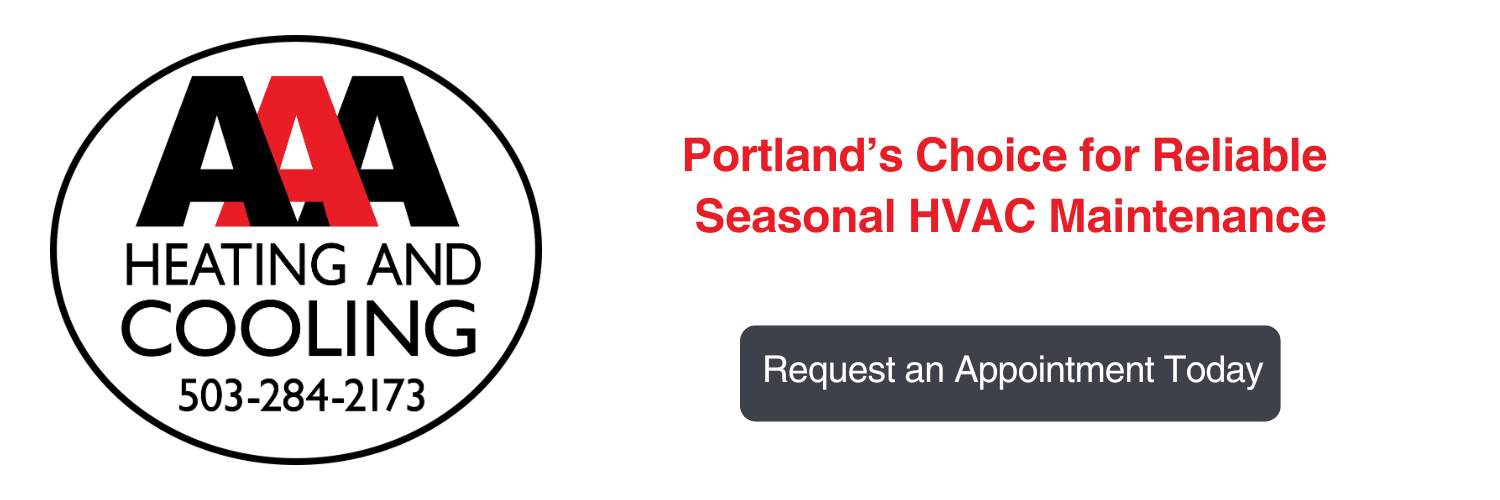
Spring is an ideal time to have your air conditioning system inspected and serviced before summer demand peaks. A tune-up now helps ensure your system isn’t struggling when temperatures climb.
Inspecting Refrigerant Levels
Your air conditioner uses refrigerant to absorb and transfer heat out of your home. When levels are low, your system has to work significantly harder to produce the same amount of cooling. A technician will check the refrigerant charge and inspect the lines for signs of leakage.
Addressing potential leaks early can prevent both performance issues and potential compressor damage, which is one of the most costly components to replace.
Cleaning the Condenser Unit
The outdoor condenser unit pulls heat from inside your home and releases it outside. Over the fall and winter months, debris like leaves, dirt, and grass clippings can accumulate around and inside the unit, blocking airflow. A spring tune-up includes cleaning the condenser coils and the area around the unit to restore proper airflow.
A clean condenser will run more efficiently and have a longer operational life.
Checking Electrical Components
In a spring tune-up, electrical components, including capacitors, contactors, and wiring connections, are inspected and tested. Heat, humidity, and general wear can cause these components to degrade over time.
For example, a failing capacitor can prevent the compressor or fan motor from starting. Catching these issues in spring can prevent unexpected breakdowns during the hottest days of the year, when repair schedules tend to fill quickly.
Fall HVAC Maintenance: Preparing Your Heating System
As temperatures drop, your heating system becomes the workhorse of your home. A fall tune-up ensures it’s ready to perform reliably through the coldest months.
Inspecting the Furnace or Heating Components
A technician will inspect the heat exchanger, burners, blower motor, and flue system. For example, a cracked heat exchanger can quickly escalate from an efficiency issue to a serious health concern, as it can allow carbon monoxide to enter your living space.
Fall inspections catch these safety issues before your furnace is running around the clock.
Testing Ignition Systems and Safety Controls
The ignition system is responsible for safely starting your furnace when the thermostat initiates heat. Technicians test the igniter, flame sensor, and safety shutoffs to confirm they’re operating correctly. These components are particularly prone to wear, and a faulty ignition system can result in a furnace that won’t start on a cold winter morning.
Checking Airflow and Duct Connections
Loose or leaking ductwork can direct air away from living areas and into unused spaces like attics or crawlspaces. During a fall tune-up, airflow is tested, and duct connections are inspected. Sealing duct leaks to ensure proper airflow helps the system distribute heat evenly and reduces wasted energy.
3 Signs Your HVAC System May Need Maintenance
Even with seasonal tune-ups on the calendar, your HVAC system may show signs of trouble between visits. Knowing what to watch for helps you act before a minor issue becomes a major repair.
If any of the following sound familiar, it may be time to schedule a service call with AAA Heating & Cooling. Contact us today to get a skilled technician on the job fast.
#1: Unusual Noises or Odors
Your HVAC system should operate with relatively little noise.
Grinding, banging, or rattling sounds often signal mechanical issues such as:
- Loose components
- Worn bearings
- Debris in the unit
A burning smell can indicate overheating or an electrical problem, while a musty odor may suggest mold growth within the ductwork or on the evaporator coil. Any of these warrants a professional inspection.
#2: Uneven Heating or Cooling
If some rooms in your home are consistently too warm or too cold while others feel comfortable, your system may be struggling with:
- Airflow restrictions
- Duct leaks
- Declining efficiency
Inconsistent temperatures are a sign that the system is working harder than it should and is often a precursor to more significant problems.
#3: Higher-Than-Normal Energy Bills
A sudden or gradual increase in utility costs is one of the clearest indicators that your HVAC system isn’t operating efficiently.
The U.S. Department of Energy warns that neglecting HVAC maintenance can increase energy consumption by up to 15%.
Dust buildup, restricted airflow, and worn components all force the system to run longer cycles to achieve the same result, and that extra effort shows up on your energy bill.
4 Benefits of Regular HVAC Seasonal Maintenance
Staying on top of seasonal maintenance isn’t just about preventing problems. It’s an investment in your home’s comfort, efficiency, and long-term value.
#1: Improved Energy Efficiency
Regular air conditioning and heating system maintenance can improve energy efficiency and savings. When components are clean, properly calibrated, and running as designed, the system doesn’t have to work as hard to maintain comfortable temperatures. That efficiency gain translates directly into lower monthly utility costs throughout the heating and cooling seasons.
#2: Longer System Lifespan
Regular maintenance can make HVAC systems last longer. Without routine care, wear accumulates faster on motors, coils, and other components, shortening the system’s life. For most homeowners, an HVAC system represents a significant investment, and regular maintenance is one of the most effective ways to protect it.
#3: Better Indoor Air Quality
A well-maintained HVAC system does more than regulate temperature. It filters the air circulating through your home, removing dust, pollen, and other airborne particles. According to the U.S. Environmental Protection Agency, HVAC filters are designed to filter air throughout a home, and properly maintained filtration can help reduce indoor air pollution.
When filters are dirty and coils go uncleaned, the system can actually circulate contaminants rather than capture them. Seasonal maintenance ensures your system is actively contributing to a cleaner, healthier indoor environment.
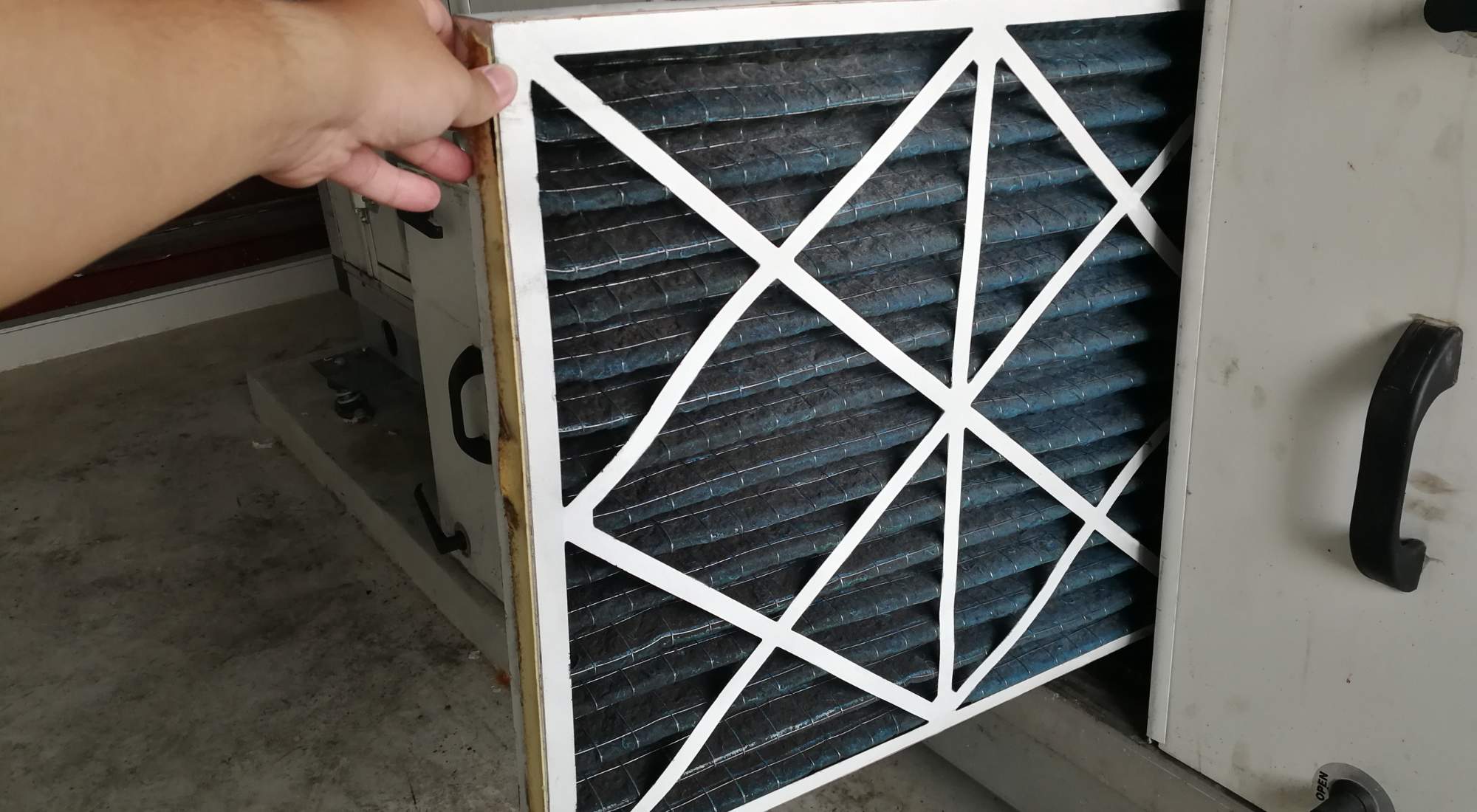
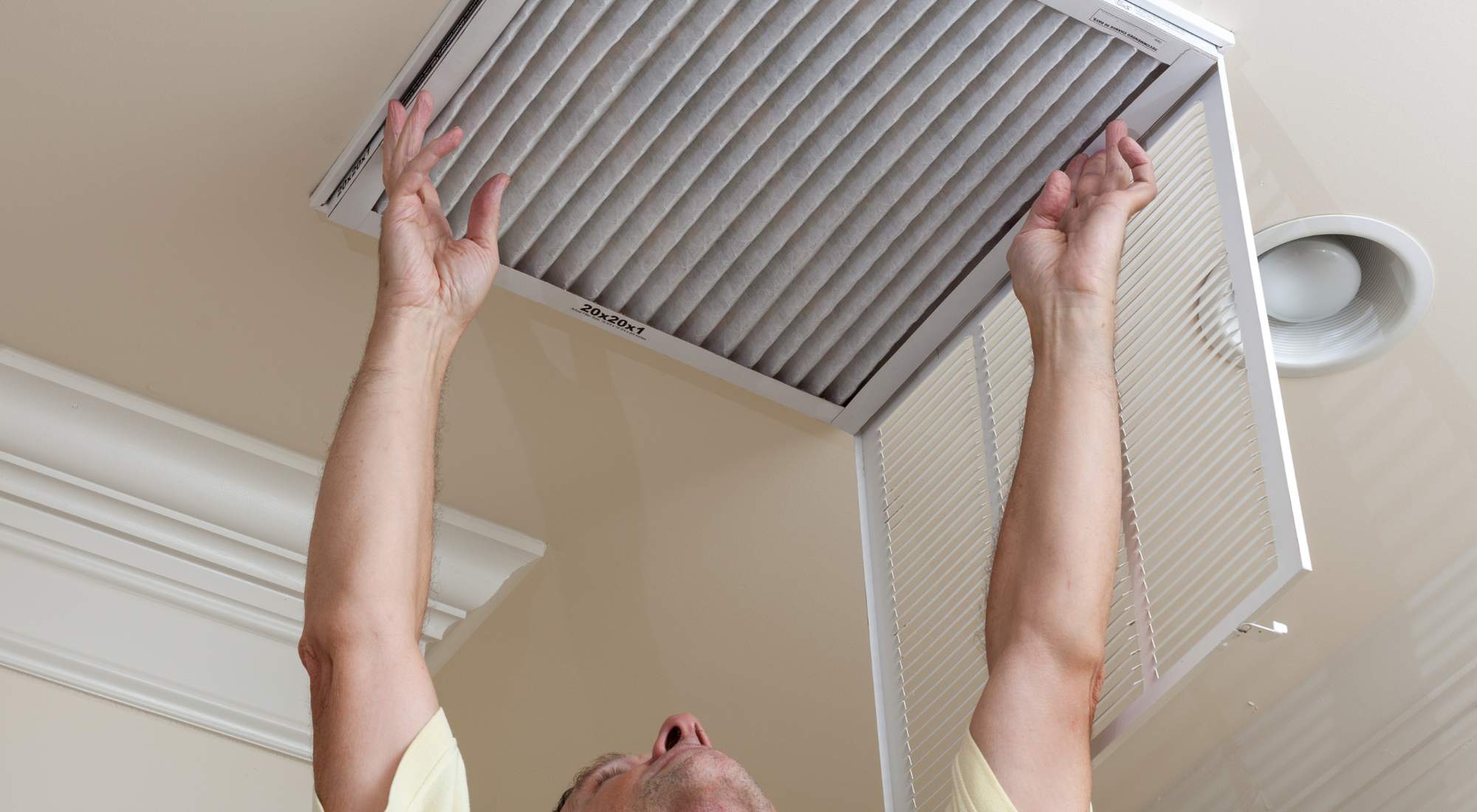
Additionally, routinely cleaning or replacing your air filters can lower your air conditioner’s energy consumption by 5-15%.
#4: Reduced Risk of Unexpected Breakdowns
Emergency HVAC repairs are costly on their own, but the timing often makes it worse. Systems tend to fail during extreme heat or cold, precisely when technicians are busiest and wait times are longest.
Regular seasonal maintenance allows technicians to identify and address potential failure points before they result in an emergency. Annual tune-ups can extend the remaining life expectancy of your equipment.
Keep Your HVAC System Running Smoothly Year-Round With AAA Heating & Cooling
Seasonal HVAC maintenance is one of the simplest and most impactful things you can do to protect your home’s comfort and your budget. From lower energy bills to fewer unexpected repairs, the benefits of staying ahead of routine service far outweigh the cost of skipping it.
At AAA Heating & Cooling, our technicians are trained to provide thorough, reliable seasonal tune-ups for both heating and cooling systems. Whether you’re preparing your air conditioner for summer or making sure your furnace is ready for the cold months ahead, we’re here to help your system perform at its best.
Contact AAA Heating & Cooling today to schedule your seasonal HVAC maintenance and keep your home comfortable all year long.