Winter weather can be unpredictable with snowstorms, freezing rain, and more. But the comfort in your home should not be. You should be able to count on your furnace to keep your home cozy and warm all winter long.
Each winter, furnace malfunctions can lead to fire, carbon monoxide exposure, and extensive, costly repairs.
This guide will give you tips for preparing your furnace for winter to reduce safety hazards and keep your system running smoothly all winter long.
Table of Contents
- How Do You Prepare Your Furnace for Winter?
- 9 Winter Furnace Safety Tips
- Commonly Asked Questions About Winter Furnace Safety
- Winter Is Coming! Let the Professionals at AAA Heating and Cooling Ensure Your Furnace Is Up to the Challenge
How Do You Prepare Your Furnace for Winter?
Essential maintenance steps to prepare your furnace for winter include:
- Checking or replacing the air filter
- Cleaning the area around the furnace
- Inspecting all vents and registers
- Ensuring your thermostat is working properly
- Preparing all safety devices by testing them and replacing batteries
Additionally, to guarantee your furnace is in proper working order and the safety of your household, consider getting a professional inspection and tune-up.
AAA Heating and Cooling offers Portland home furnace service to keep your furnace running smoothly in time for winter. Our expert technicians know just what to look for to make sure your furnace is functional and safe.
9 Winter Furnace Safety Tips
#1: Replace Filters Regularly
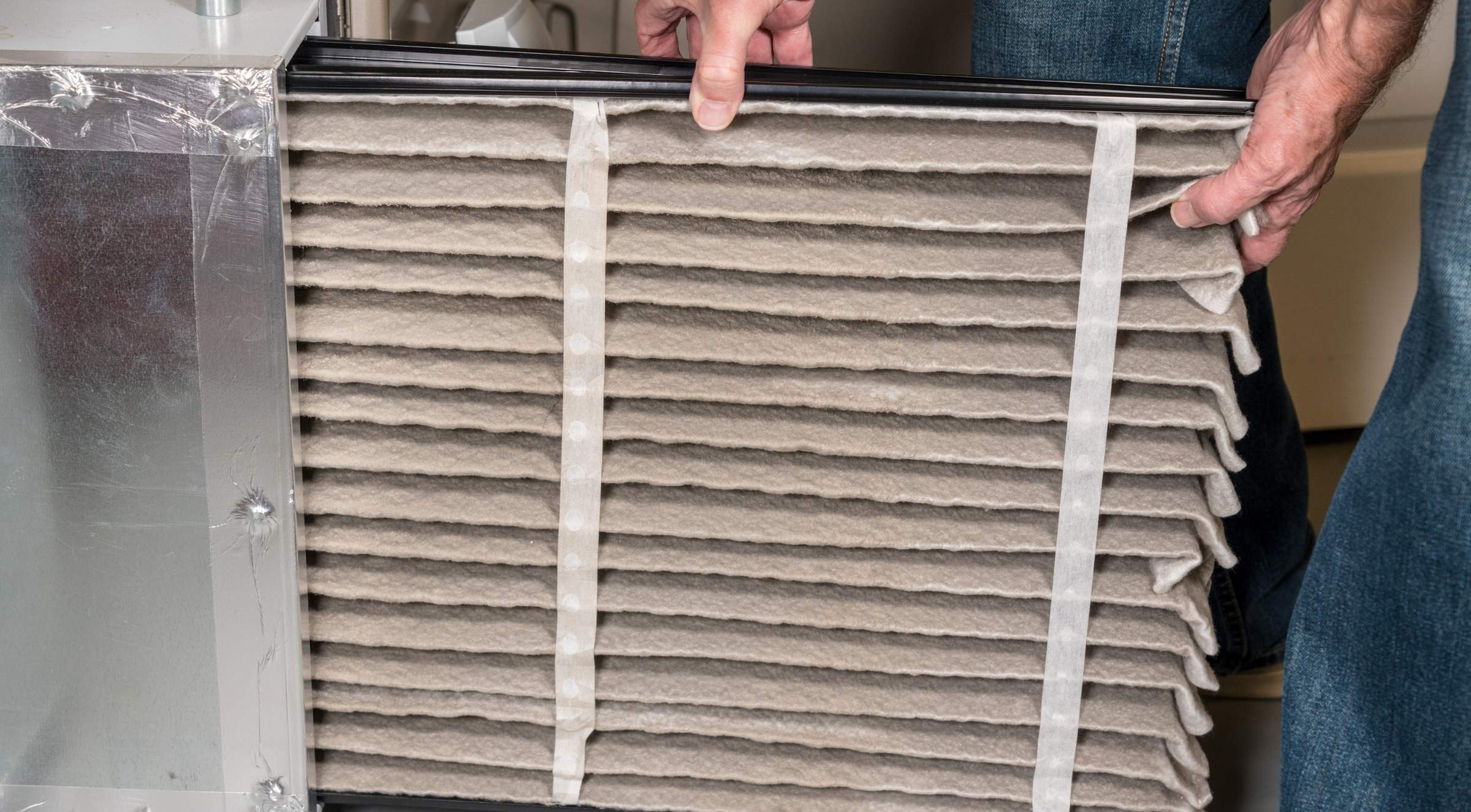
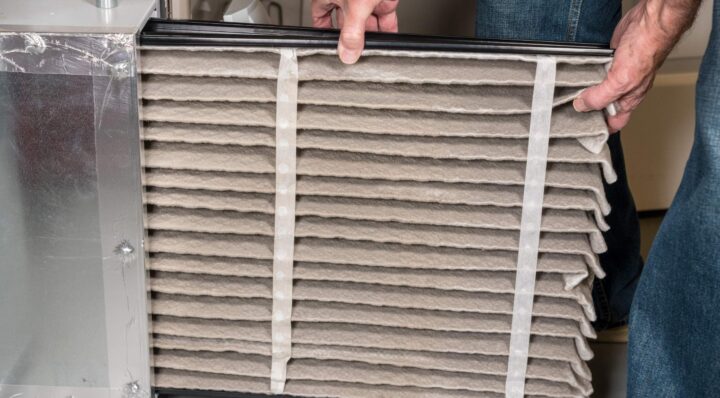
Although the filter in your furnace may seem trivial, it is actually vital for your furnace to function properly. The first winter furnace safety tip you should follow is to replace the filter.
A clean filter can:
- Maintain the air quality
- Improve energy efficiency
- Prevent damage to your unit
Not only that, but a clean filter keeps the heat from building up to a dangerous level that could cause a fire.
Filters that are clogged with dust and debris can also cause:
- The furnace to work harder with reduced air flow
- System failure
- Short cycling
- Dust and allergens to be released into the air
The filter should be replaced every 1-3 months to help keep your furnace in pristine condition, maintain the air quality of your living spaces, and give you peace of mind for the safety of your home and family.
#2: Keep the Area Around Your Furnace Clutter-Free
Storing items near any heat source puts your home at risk of fire. Furnaces are no exception.
The space around your furnace needs to be clear of any items, including:
- Cardboard
- Paper
- Chemicals
- Toys
- Holiday decorations
- And more
To function with proper air flow and reduce the risk of fire hazards, nothing should be stored or placed within three feet of the unit.
Additionally, vents and registers in your home also need to be kept free of furniture, curtains, or other items to ensure proper heating in all rooms of the house. If a room feels colder than it should, the vent could be blocked.
If you’re experiencing issues with air flow and your vents and registers are clear, the air flow restriction may be somewhere else, like the ductwork. In this case, the furnace and ducts will need to be inspected to identify the problem.
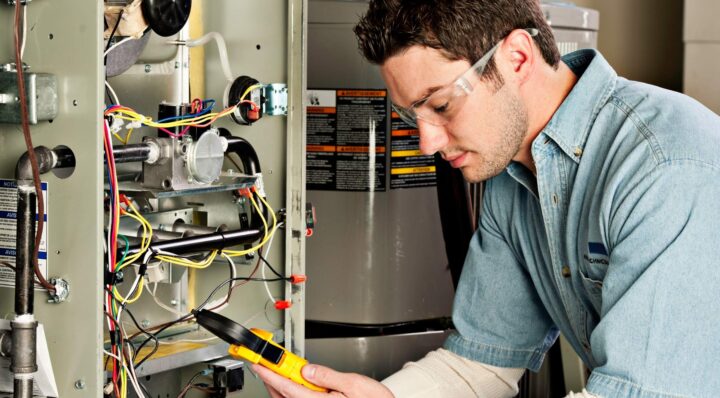
#3: Test Smoke and Carbon Monoxide Detectors
An improperly functioning heater is not only inconvenient, but it can also be deadly.
A furnace in proper working order does not produce any dangerous gases. However, malfunctioning furnaces can produce carbon monoxide, which is a colorless, odorless gas that can leak into your home.
Furnace issues that may lead to a carbon monoxide leak include:
- Cracked heat exchangers
- Poor venting
- A dirty or malfunctioning burner
- Dirty air filters
Carbon monoxide detectors should be placed on every level of your home, especially in areas where your family sleeps. The detector should be placed at least 15 feet from the unit to prevent false alarms and at least six inches below the ceiling if placed higher on the wall.
Having a carbon monoxide detector can save your life, and smoke detectors are just as important. Smoke detectors can alert you if your unit is overheating or if there are electrical issues that put your home at risk of fire.
Both carbon monoxide and smoke detectors should be tested monthly, and fresh batteries should be installed yearly, if not needed before.
#4: Keep Snow Away From the Intake and Exhaust
To keep your furnace operating efficiently and safely, it is important to keep snow away from the intake and exhaust.
With each new snowfall, inspect the vents during and after the event. If snow needs to be removed, use a soft brush to gently remove it and avoid packing it in more. Avoid the temptation to use hot water to melt ice, as it will create a larger ice blockage when it refreezes.
Blocked intake and exhaust vents can cause serious problems, such as:
- Carbon monoxide poisoning
- Automatic shutdown and loss of heat
- Water damage and corrosion of metal components
- Inability for oxygen to reach the furnace for combustion
- Inability to reduce byproducts
Even if you just have a light snow, always check the intake and exhaust values to ensure they are clear.
#5: Pay Attention to Unusual Smells or Noises
Typically, furnaces make some noise as they run, usually in the form of a soft hum. However, if your furnace begins making loud noises or popping sounds, that is a good indication that something is malfunctioning.
Listen for sounds like:
- Popping
- Banging
- Rattling
- Squealing
- Grinding
These sounds could mean that there is a loose or worn-out part. It could also be a sign that the burners are dirty or the ductwork is expanding.
It is important to pay attention to unusual smells as well. The two biggest smells to be concerned about are a rotten egg smell or a burning smell.
A rotten egg smell is a sign that you could have a gas leak. If you experience this smell, shut the system off immediately and leave your house for your safety. Then contact emergency services.
If you smell a persistent burning smell that is different from the initial burning of dust when you first turn on your furnace for the winter, your furnace will need to be serviced to ensure it is functioning properly.
If you experience unusual sounds or smells, it is best to have your furnace looked at by a professional. AAA Heating and Cooling has been Portland’s trusted HVAC service for over 60 years. We are dedicated to customer safety and satisfaction and can perform furnace servicing and inspections.
#6: Keep an Eye on the Pilot Light and Ignition Mechanism
No matter the age of your system, it is important to pay attention to what the pilot light looks like, and if you are having trouble with the ignition mechanism, your furnace may need to be repaired.
The pilot light should burn blue if it is combusting properly and if the ventilation is good. If you notice that the pilot light is yellow instead, you may have a combustion or ventilation issue.
A yellow flame can also be a sign that your furnace is producing higher levels of carbon monoxide, which can be dangerous for your health and safety.
If your furnace fails to ignite and you smell gas, do not attempt to ignite it again. Shut it off and call a professional. Your furnace may have a faulty sensor, a dirty burner, or a worn-out part that needs to be replaced.
#7: Clean Vents and Ducts
Even with regular care, dust can accumulate in your vents and ducts. Before using your furnace each winter, it is necessary to clear out the dust. This keeps the air filters clean and prevents safety issues with your furnace.
Sometimes vents and ducts can become clogged with debris other than dust. Bugs and small rodents can get into the vents and ducts as well, especially when they aren’t in use.
Mold can also manifest in your vents and ducts because they are damp, dark environments. Mold can cause your system to malfunction and is also hazardous to your health.
To clean your vents:
- Turn the furnace off.
- Remove vent covers and wipe them down with a damp cloth.
- Clean excessive dirt and debris with soapy dishwater.
- Vacuum any dust, dirt, or debris you can see in the vent.
- Put the vent covers back.
- Turn the furnace back on.
Seek professional help if your ducts and vents have excessive debris or clogs.
#8: Know When It’s Time for a New Furnace
A furnace typically lasts between 15-20 years, but any system will develop issues over time with use.
As your furnace reaches 15-20 years old and begins to need repeated repairs, it is time to consider a replacement.
Benefits of a new furnace include:
- Lower heat bills due to better energy efficiency
- Improved comfort
- Protection from unexpected breakdowns
- Improved safety features
#9: Schedule Annual Maintenance
While some maintenance and upkeep can be done on your own, it is important to have your system inspected annually.
Licensed technicians are trained to identify possible problems and safety issues.
Keeping your furnace regularly inspected can:
- Help maintain your warranty
- Save you repair costs later
- Ensure your furnace is up to code
- Keep your heating system running efficiently
Give yourself peace of mind and know that your furnace will run reliably all winter by getting a professional inspection.
Commonly Asked Questions About Winter Furnace Safety
What’s the Safest Thermostat Setting for the Winter Months?
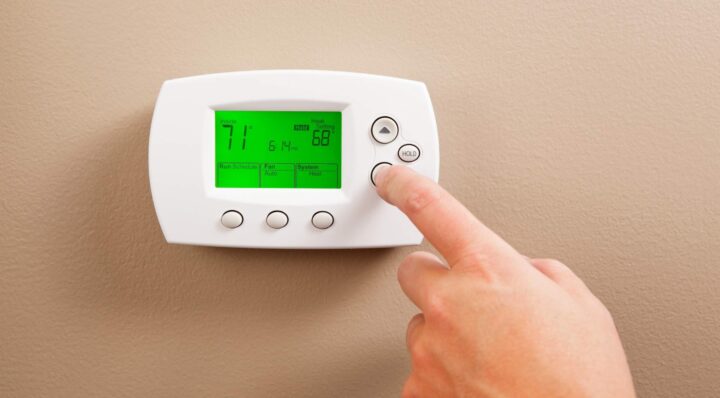
The ideal temperature to keep your thermostat at is 68°F. Keeping the furnace at a lower temperature in the winter will slow the heat loss in your home. This will save you energy and money. If you are going to be away from home for at least four hours, it would be beneficial to lower the temperature by a few degrees. However, don’t turn your thermostat too low to prevent frozen pipes or an overworked furnace. An indoor temperature of 55°F or lower can result in frozen pipes.
What Are Signs That My Furnace Might Be Unsafe?
Signs that your furnace may be unsafe include:
- Strange odors: burning or rotten egg smell
- Unusual noises: popping, squeaking, banging, squealing
- Frequent cycling
- Poor airflow
- Soot around vents
After you turn off the unit, call a technician if you experience any of these warning signs.
Why Is Furnace Safety Especially Important in Winter?
During the winter, the furnace runs more often. Because it is working harder, the risk of issues increases, like:
- Carbon monoxide leaks
- Gas leaks
- Overheating
- Worn-out parts
Keeping your system regularly maintained and inspected can keep your furnace running smoothly and keep you safe during the winter months.
Winter Is Coming! Let the Professionals at AAA Heating and Cooling Ensure Your Furnace Is Up to the Challenge
AAA Heating and Cooling is the leader in residential and commercial heating in the Portland area. Our experienced team has provided thousands of satisfied customers with expert services.
Whether you need preventative services and inspections or repairs, AAA Heating and Cooling can find solutions to keep you comfortable and safe. We offer free estimates and can keep your system in top condition all year round.
Contact us today to schedule an appointment!