

Dust settling on the same shelf you cleaned three days ago is frustrating. It’s back on your entertainment center and shelves by Friday, gray and stubborn, like you never touched it at all.
There is usually a reason the dust in your home seems to accumulate so quickly, and it often doesn’t have anything to do with how frequently you clean. Dust returning quickly may point to airflow, filtration, or air leaks with your HVAC system.
In this guide, we’ll look at the most common causes of fast dust buildup, what you can do to keep it under control, and when it may be time to call in a professional.
Table of Contents
- Where Does Household Dust Actually Come From?
- The Dust Cycle: Why Cleaning Alone Won’t Solve It
- 6 Common Reasons Your House Stays Dusty
- How Do I Stop My House From Being So Dusty?
- When to Call an HVAC Professional
- Can Air Purifiers Reduce Dust?
- Protect Your Home and Your Lungs With AAA Heating and Cooling
Where Does Household Dust Actually Come From?
Household dust isn’t made up of just dirt. It’s a mixture of tiny particles that come from:
- Dead skin cells
- Hair
- Pet dander
- Fabric fibers
- Soil
- Pollen
- Dust mite matter
- And other debris
People and pets shed skin cells and hair, while carpets, rugs, clothing, and upholstered furniture release tiny fibers as they are used. Dirt and soil can also be tracked indoors on shoes and pet paws. Pollen, soil, and other airborne particles can enter through open doors and windows or through small gaps around the home’s exterior.
Inside the home, activities such as cooking, burning candles, using a fireplace, or completing remodeling work can introduce additional particles into the air. Once these particles enter your home, they do not stay where they land. Walking across a carpet, sitting on furniture, or moving around a room can disturb settled dust and send particles back into the air.
Your home’s airflow can then move those particles to other areas where they eventually settle again. Some dust is normal, but if a noticeable layer keeps returning shortly after you have cleaned, there may be more contributing to the problem. Looking at both indoor and outdoor sources, as well as how air moves through your home, can help you determine why your house gets so dusty all of a sudden.
The Dust Cycle: Why Cleaning Alone Won’t Solve It
Wiping down a surface removes the dust particles that have already landed there, but it doesn’t eliminate the dust that is still floating in the air. If dust reappears quickly, it may be because particles are getting pulled into circulation by your HVAC, and a normal cleaning routine won’t be able to keep up.
Your furnace and AC move air through your entire house dozens of times a day, and if any part of that path is compromised, dust can get pulled in, pushed around, or left to settle on surfaces instead of getting trapped.
If you are wondering, “Why is my house so dusty all the time?” The answer may lie in the ductwork, the filter, and the return vents of your HVAC. Whether your house has always felt dusty or the problem showed up suddenly, the best way to begin searching for the source of the issue is by examining the path the air takes through your HVAC system.
If you suspect your system is the culprit, give AAA Heating & Cooling a call or fill out our online contact form, and we’ll send a technician out to check your filter, ductwork, and returns. We’ve been a family business helping Portland and Beaverton residents for over 60 years, and a quick system check can verify the issue.

6 Common Reasons Your House Stays Dusty
Before assuming there is a cleaning issue, check these six spots in and around your HVAC system. Some problems may show up gradually over months, while other issues may explain why your house could have suddenly gotten dustier.
#1: Dirty or Clogged Air Filter
A clogged filter restricts airflow and lets dust pass through instead of trapping it.
Filters are rated to catch a certain amount of particulate matter. However, once the filters are loaded with debris, air starts finding the path of least resistance. This reduces how much dust the filter can catch and increases the chances of dust settling elsewhere.
Signs that your air filter may be dirty or clogged include:
- Reduced airflow is coming from your vents.
- Dust is settling faster in the rooms closest to your registers.
- Your energy bills are increasing, reflecting a system that is working harder.
- The system is short-cycling, turning on and off too quickly.
#2: Leaking or Damaged Ductwork
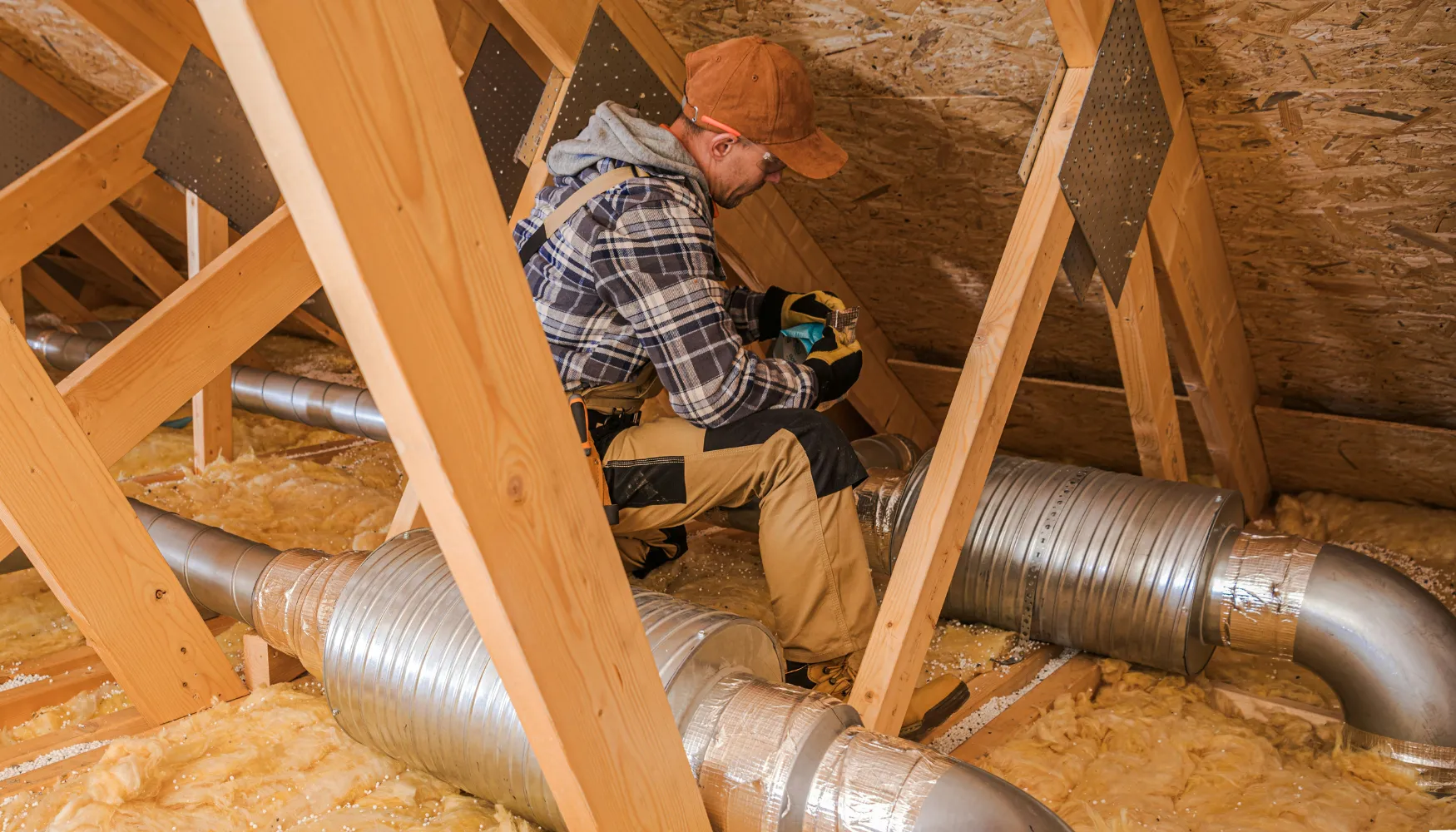
Gaps in ductwork pull dusty air from crawl spaces and attics into your living areas. Leaky ducts create pockets of negative pressure that draw in whatever air is nearby, including dust particles.
Many Portland homes run on original, decades-old metal ductwork that is far more prone to seam separation and small tears than modern sealed systems.
There are several indications that your ductwork may be damaged or leaking, such as:
- Uneven room temperatures
- Weakened airflow
- Excessive dust
- Strange hissing, whistling, or rattling noises
- Visible damage
#3: Blocked or Undersized Air Return
A return that can’t pull air efficiently leaves dust to settle instead of getting filtered.
If the air return is not the appropriate size, you may notice:
- Whistling or roaring noises
- Bowing or collapsing filters
- Doors that open or close on their own
- Vents that are not blowing air effectively
- Rings of dust around the return
- Rooms that are too hot or too cold
Blocked vents can also cause issues. Furniture pushed up against a return vent, or a rug covering a floor return, can choke off airflow. Rooms located farthest from your return often collect dust noticeably faster than rooms closer to it, since the system struggles to draw stale, particle-heavy air out of those spaces.
#4: Foundation Cracks and Gaps Around Windows or Doors
Outdoor dust and pollen can infiltrate through small gaps in your home during windy stretches in Portland.
Common entry points include:
- Crawl space vents
- Worn weatherstripping around older windows
- Hairline cracks along the sill plate
None of these gaps looks dramatic on its own, but together they can let a steady stream of outdoor particles into your home year-round. Sealing these gaps prevents air infiltration in your home.
#5: Carpet and Upholstery Shedding
Carpet fibers and upholstery naturally shed particles that can linger without proper air circulation.
Older carpet, in particular, sheds more as its backing and fibers break down from years of foot traffic. When your HVAC system isn’t circulating air well, those shed fibers settle into the carpet pile and onto nearby surfaces instead of getting pulled toward the filter.
#6: High Humidity and Dust Mites
Even when an air conditioner cools a room quickly, if it shuts off before it can pull enough moisture out of the air, it can leave the humidity levels in your home higher than they should be. Humidity above 50% lets dust mite populations grow, and their shed particles add to household dust.
If your home consistently feels sticky even with the AC running, it’s worth talking to the Portland indoor air quality experts at AAA Heating and Cooling about whether your system is sized and running properly.
How Do I Stop My House From Being So Dusty?
To keep dust from returning between cleanings, you need to identify the source of the problem. Examine your filter and return vents, then search for obvious gaps around your home’s exterior to look for the most common causes.
Some steps to take include:
- Replace your air filter if it’s been more than 60–90 days, or sooner if you have pets.
- Clear furniture, rugs, or boxes away from return vents.
- Seal visible gaps around window frames, door thresholds, or crawl space vents.
- Run a dehumidifier if your home regularly sits above 50% humidity.
If dust keeps coming back after trying these steps, the cause is likely something you can’t see or reach on your own, like a duct leak, and it may be time to call in a professional.
When to Call an HVAC Professional
Some dust problems need a technician who can see inside your ductwork and test your system’s airflow, something a filter change or a vacuum session can’t reveal.
Consider calling a professional if you notice:
- Dust returns within a day or two of cleaning after replacing your filter
- Visible dust streaks or buildup around vent covers
- Utility bills that have climbed without an obvious reason
- Musty odors are showing up alongside the dust
Duct leaks and filtration problems often hide inside walls, attics, and crawl spaces. A professional inspection can spot those issues directly and help correct the problem.
Can Air Purifiers Reduce Dust?
Yes, air purifiers can trap airborne dust particles as they pass through, but they do not totally fix the problem. A clogged filter, a leaking duct, or a blocked return will still allow dust to keep entering your home at the same rate; the purifier just catches some of it after the fact.
That doesn’t mean a purifier is useless. Once the actual HVAC cause has been addressed, a purifier can work as a supplement to help catch leftover dust to improve your indoor air quality after the system has been fixed.
Protect Your Home and Your Lungs With AAA Heating and Cooling
If you are dealing with persistent dust, it is time to contact a professional. AAA Heating and Cooling has been sorting out exactly these kinds of problems for Portland and Beaverton homeowners for more than 60 years. Our expertise and experience allow us to do the job right the first time.
Stop the guesswork and let us run a full system inspection covering your filter, your ductwork, and your return vents to find out what is actually driving your dust problem. Give us a call, or fill out our online contact form, and an advisor will reach out within 24 hours.
We are a family business helping families breathe a little easier, one HVAC system check at a time!