It’s a cold November Friday evening. You’re on the metro heading home from work, already picturing your warm house, a mug of hot chocolate, and a cozy night watching a holiday movie with your family. One more stop to go, and the thought of that peaceful evening feels even closer. Finally, you’re home! You take off your coat, scarf, and shoes — then pause. Something feels off. The living room is cool, but the dining room is warm. Your kids mention it’s been like that all afternoon. You frown, wondering if the furnace might be acting up. Hopefully, it’s nothing serious — because a furnace that keeps turning off is the last thing anyone wants when temperatures drop.
The good news? If you’ve ever asked yourself, “Why does my gas furnace keep turning on and off?” understanding the answer can help you spot issues early and decide whether it’s time for maintenance or repair.
In this article, we’ll explore seven common reasons your furnace keeps turning off, five myths about furnace performance, and how climate can affect your heating system — so you can stay warm and comfortable all winter long.
Table of Contents
- How a Furnace Cycle Works (and Why It Matters)
- Why Does My Furnace Keep Turning Off? 7 Possible Reasons
- 5 Common Myths About Furnaces Turning Off
- The Role of Climate in Furnace Performance
- Prevent Short Cycling With Regular Maintenance From AAA Heating & Cooling
How a Furnace Cycle Works (and Why It Matters)
A furnace cycle begins when the temperature drops below your thermostat’s setting, signaling the need for heat. This causes the furnace to ignite the natural gas or other fuel source (or activate a heating element in an electric furnace). The resulting flame heats a metal heat exchanger, which in turn warms the home’s cold air as it flows across it. Once the air is sufficiently heated, the blower fan pushes it through the ducts in your house. When the rooms reach the desired temperature, the thermostat signals the furnace to stop running.
Disruption at any stage of the cycle can cause a furnace to turn off unexpectedly. For example, ignition or burner issues may prevent the furnace from lighting or producing heat safely. Similarly, an airflow restriction — caused by a dirty filter or blocked vents — can trigger the safety sensors, causing the furnace to shut down.
How Long Should a Furnace Run Before Shutting Off?
A standard furnace’s normal cycle typically lasts about 10–15 minutes to maintain a comfortable temperature; however, factors such as outside temperature, insulation, and thermostat settings can affect the cycle length.
When a furnace turns on and off every few minutes, it can indicate short cycling, meaning the furnace isn’t completing a full, normal heating cycle. Short cycles indicate that something is going wrong somewhere in the system.
Signs Your Furnace Is Short-Cycling
Look out for these signs, which can suggest your furnace is short-cycling:
- Frequent clicking: The furnace makes clicking noises too often as the system starts and stops unexpectedly.
- Uneven heat: Some rooms stay cool while others get warm.
- Higher utility bills: Energy costs rise because the furnace restarts continuously.
- Cold air bursts: The system may push cool air between cycles, causing sudden drafts.
- Unusual noises: Strange sounds come from the furnace during short cycles.
- Overheating or hot spots: Specific areas or the furnace itself feel hotter than usual.
- Short furnace runtime: The furnace runs only briefly before the house is fully heated.
Catching these symptoms early can help prevent costly repairs later and keep your furnace running efficiently.
Why Does My Furnace Keep Turning Off? 7 Possible Reasons
A properly functioning furnace runs until it reaches the thermostat’s set temperature, then cycles on and off to maintain that temperature. When this cycle stops too soon, it usually means something’s wrong. There are several common reasons this can happen — we’ll cover them below.
In the meantime, if your furnace isn’t working and you’re not sure why, contact AAA Heating and Cooling Inc. Our HVAC experts provide reliable Portland home furnace service and will quickly find the cause and get your heat back on fast.
#1: Dirty or Clogged Air Filter
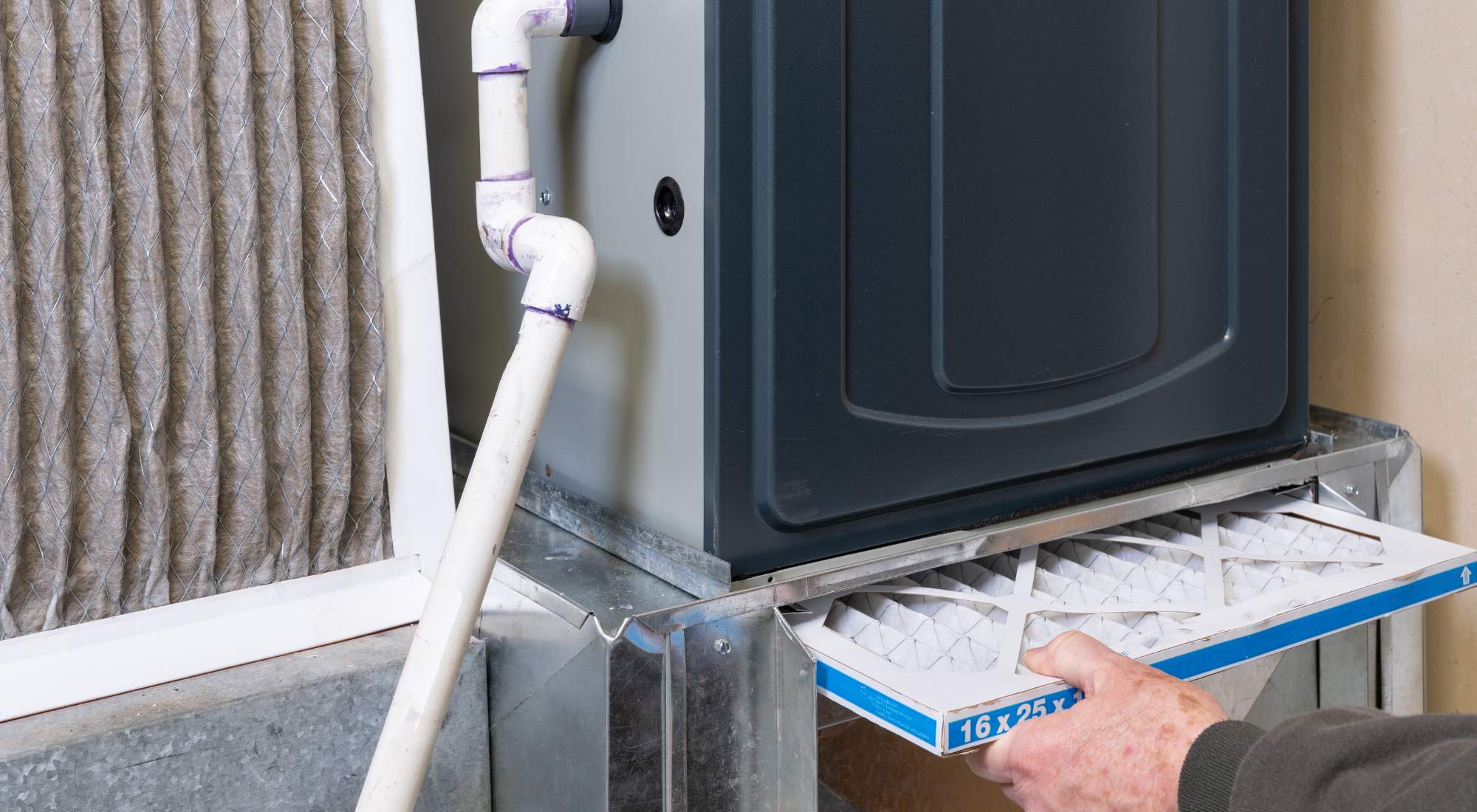
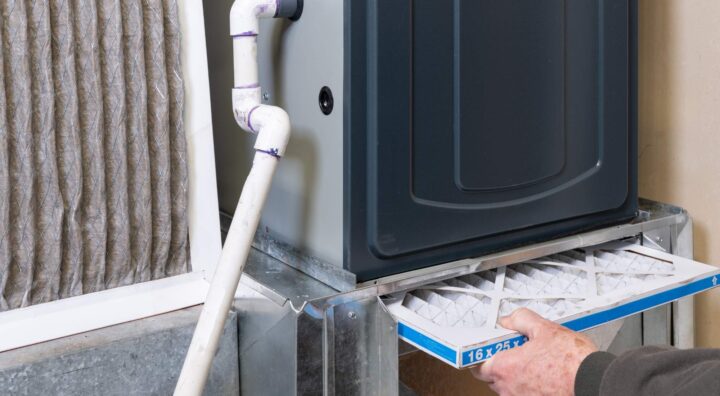
When your furnace’s air filter is dirty or clogged, it restricts airflow, forcing the furnace to work harder to push air through. This extra strain can cause the system to overheat, triggering safety mechanisms that shut the furnace off to prevent damage.
That’s why it’s important to check and replace your filters at least every 1–3 months in Portland, given the weather, or more often if you have pets or allergies.
#2: Thermostat Issues
If there are problems with the thermostat, they can affect your furnace’s proper functioning and cause it to shut off unexpectedly — especially if the thermostat is placed too close to vents, windows, or direct sunlight, which can lead to inaccurate temperature readings. Malfunctioning sensors or wiring issues can also send incorrect signals, causing the system to shut down prematurely.
To prevent this, place the thermostat away from heat sources, check and replace batteries regularly, and ensure the temperature settings are correct.

#3: Blocked Vents or Ductwork Problems
If vents are blocked or there are leaks in the ductwork, airflow can be restricted, making it harder for your furnace to heat your home evenly. When airflow is limited or air escapes through leaks, the system may overwork to reach the set temperature, which can cause it to overheat and shut off prematurely.
Inspect your vents to ensure they’re open and unobstructed, and have a professional check your ductwork for leaks or buildup.
#4: Flame Sensor or Ignition Problems
A flame sensor ensures that the gas is safely ignited when it detects a flame. If it’s dirty or not working properly, the furnace may shut off as a precaution to prevent unburned gas from accumulating. Similarly, if the ignition system isn’t functioning correctly, the furnace may fail to stay on consistently.
For this reason, cleaning or replacing flame sensors and checking for ignition problems is important. However, only a professional should do this work, since it involves working with gas and electrical parts.
#5: Overheating Furnace or Faulty Limit Switch
Poor airflow, a dirty blower motor, or worn internal parts can make your furnace overheat and work harder than necessary. Every furnace has a safety limit switch. If the system gets too hot, this switch turns the furnace off. When the switch is triggered or not working properly, your furnace might shut down without warning.
Regular maintenance, including cleaning the blower and inspecting internal components, can help prevent these shutdowns. However, any repairs to the limit switch should always be performed by a professional.
#6: Improper Furnace Sizing or Installation
A furnace that’s the wrong size — too big or too small for your home — can short-cycle because it can’t heat the space efficiently.
To ensure your system meets your home’s heating needs, proper load calculations and expert installation are essential. This also helps prevent unnecessary wear and premature shutdowns.
#7: Furnace Maintenance Neglect
Skipping periodic maintenance can allow small issues — like dirt buildup, worn parts, or minor malfunctions — to accumulate, potentially causing your furnace to short-cycle.
To keep your system running efficiently, schedule a professional furnace tune-up at least once a year, ideally before Portland’s cold weather sets in.
5 Common Myths About Furnaces Turning Off
Myth #1: “It’s Normal for a Furnace to Turn Off Every Few Minutes”
While it’s normal for a furnace to cycle on and off to maintain temperature, frequent shutdowns — every 3–5 minutes — are not normal and may indicate an underlying problem that needs attention. If you notice these short cycles, the cause could be airflow restrictions, thermostat issues, or faults in internal components.
Myth #2: “Turning the Thermostat Way Up Makes the Furnace Work Faster”
Although many people think that turning the thermostat way up will make the furnace heat the house faster, it doesn’t work that way. Furnaces operate at a fixed speed, and the thermostat controls how long the furnace runs, not how quickly it produces heat. Setting a higher temperature will only prolong the operation without actually increasing the heating speed.
Myth #3: “If the Furnace Turns Off, It’s Just Saving Energy”
Turning a furnace off frequently doesn’t actually save energy. In fact, short-cycling can use more energy because the system consumes extra power each time it restarts. Repeated starts and stops are less efficient than allowing the furnace to run through a full cycle.
Myth #4: “Replacing the Thermostat Will Fix Any Furnace Issue”
Some people think that replacing the thermostat will automatically fix all furnace problems. However, shutdowns aren’t caused by the thermostat alone — they can also result from airflow restrictions, malfunctioning sensors, or triggered safety switches. In these cases, a professional diagnosis and repair are necessary.
Myth #5: “Newer Furnaces Don’t Have These Problems”
Modern, high-efficiency furnaces can experience short cycling if they’re not properly sized, have dirty filters, or weren’t installed correctly. To ensure your furnace operates efficiently, regular maintenance and proper system setup are essential — regardless of the furnace’s age or brand.
The Role of Climate in Furnace Performance
Portland winters are cold and damp, which means furnaces need to work harder to keep homes warm. As a result, furnaces might cycle on and off more often, especially during fall and spring when temperatures shift throughout the day.
In the Pacific Northwest, moisture in the air can cause furnace filters to clog faster, which reduces airflow and raises the risk of mold or mildew in the ducts. Spring pollen and city pollution can also make furnaces work less efficiently.
Many Portlanders take steps to prevent problems by changing filters regularly, keeping an eye on indoor humidity, and scheduling routine maintenance. These habits help furnaces run better, even during wet winters and changing weather.
Prevent Short Cycling With Regular Maintenance From AAA Heating & Cooling
At AAA Heating and Cooling Inc., we’re proud to hold an A+ rating from the Better Business Bureau (BBB) and to bring our high-quality HVAC services to homes and businesses throughout Portland. Our team is committed to delivering dependable, top-tier heating and cooling solutions you can trust.
Whether you need home furnace services, help with your heating system, air conditioning, indoor air quality, water heater, or commercial HVAC, we’re here to make your space more comfortable and efficient.
Contact us today to learn more about our services or to request your free quote. We’re ready and happy to serve you!