
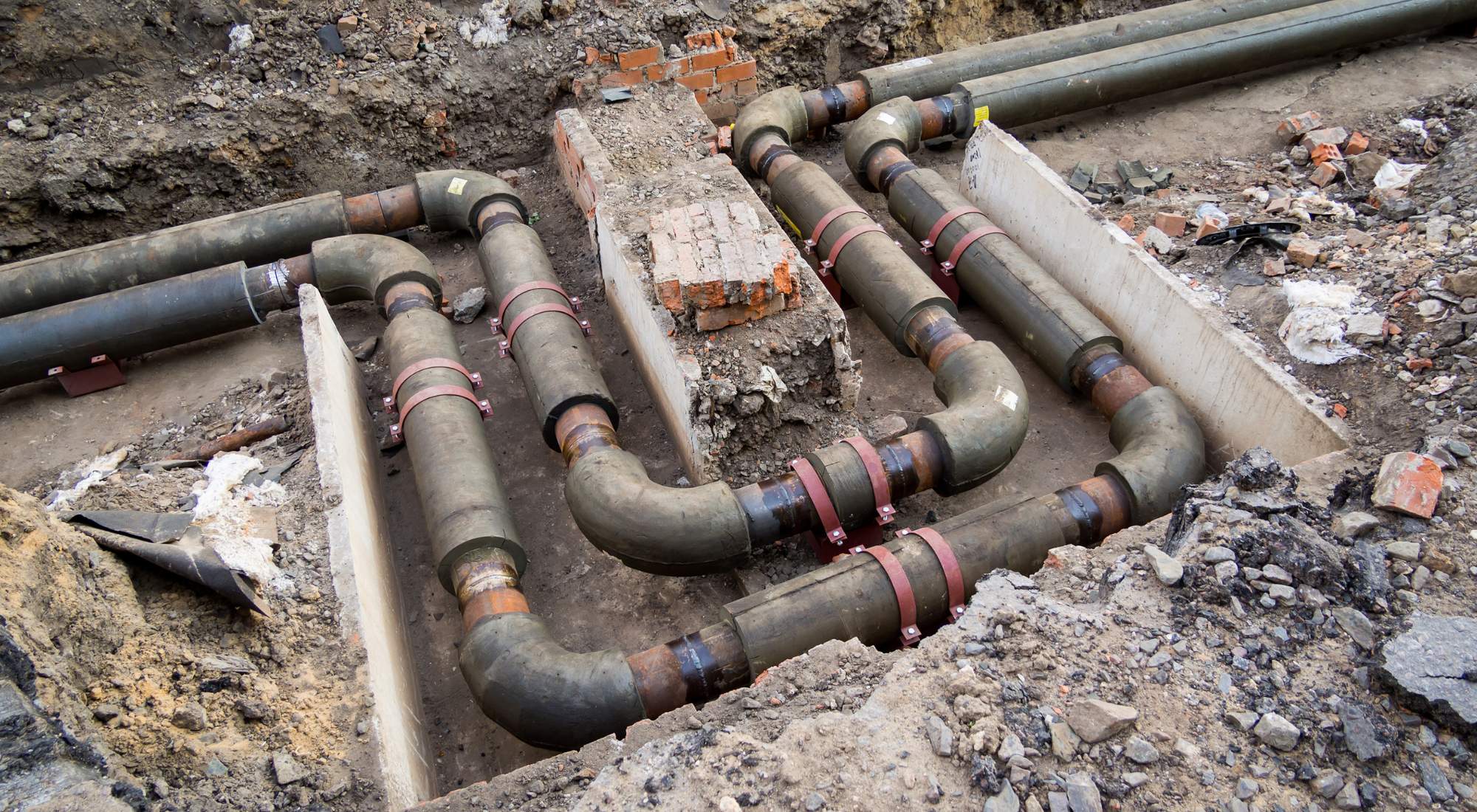
Natural gas leaks can pose extreme danger, including gas poisoning, fires, loss of consciousness, and more. Unfortunately, gas leaks may be a hidden danger because the warning signs are subtle, mistaken for something harmless, or they may be missed altogether.
Recognizing the warning signs of a gas leak is more than helpful. It can be life-saving. If you rely on natural gas for heating, cooking, or hot water, understanding what to watch for can help you act quickly and protect your home and family.
In this guide, we’ll help you understand signs of a gas leak, tests to determine if you have one, and an action plan to solve the problem.
Table of Contents
- What Could Cause a Natural Gas Leak?
- How Do You Tell If You Have a Gas Leak?
- How To Test for a Gas Leak in Your Home
- Action Plan: What To Do If You Detect Signs of a Gas Leak
- AAA Heating and Cooling: Portland’s Choice for Gas Leak Inspection and Repair
What Could Cause a Natural Gas Leak?
Even though natural gas is considered relatively safe, a gas leak is something residents should be concerned about because of potential risks, including:
- Fire
- Explosion
- Carbon monoxide poisoning
Gas leaks in your home can be caused by a variety of reasons, including:
- Corrosion – Over time, gas pipes can corrode, or seals can wear out, which opens avenues for gas to escape. These types of leaks usually begin small and grow over time. Regularly inspecting your appliances is the best way to avoid a gas leak caused by corrosion.
- Faulty piping – Even with quality piping, natural wear and tear occurs. But if lower-quality pipes are used or not installed correctly, they can wear out prematurely or come apart, causing gas to leak into your home.
- Punctures from digging – Whether it’s you or a service personnel, gas leaks can be caused when digging and accidentally puncturing a gas line. That’s why it’s always a good idea to call a utility service hotline to mark gas lines before you begin digging.
- Incorrect installation of appliances – If you are having a new appliance installed or replaced (air conditioning, furnace, gas stove, etc.), a technician will need to make contact with your gas lines. In the event of an accident in the install or repair, a line or pipe may become damaged and cause a leak.
Whether you need HVAC installation or repair, a yearly furnace inspection, or a gas leak repair, trust AAA Heating and Cooling to get the job done safely and completely.

How Do You Tell If You Have a Gas Leak?
Even though natural gas is naturally odorless and colorless, you should still trust your senses to detect a gas leak.
- Listen for noises, like hissing or whistling.
- Pay attention to odors that smell like sulfur.
- Look for dying plants.
- Notice higher usage with your gas bill.
6 Signs of a Gas Leak
#1: Rotten Egg Smell
Smelling a rotten egg or sulfur-like odor is one of the most recognizable warning signs of a gas leak. Because natural gas is completely colorless and odorless in its natural state, gas companies add a chemical called mercaptan, which produces that strong, unpleasant “rotten egg” smell. This acts as an early warning system, helping you notice a leak before it becomes dangerous.
While you might catch a faint whiff when lighting an older appliance, a persistent or strong sulfur smell is a red flag that shouldn’t be ignored.
#2: Odd Noises
Unusual sounds can be another important clue that a gas leak is present, especially when your sense of smell doesn’t pick up anything unusual. While many gas leaks are quiet, larger leaks in pipes or appliances can produce noticeable noises such as hissing, whistling, or even a low roaring sound, similar to air escaping or an engine running.
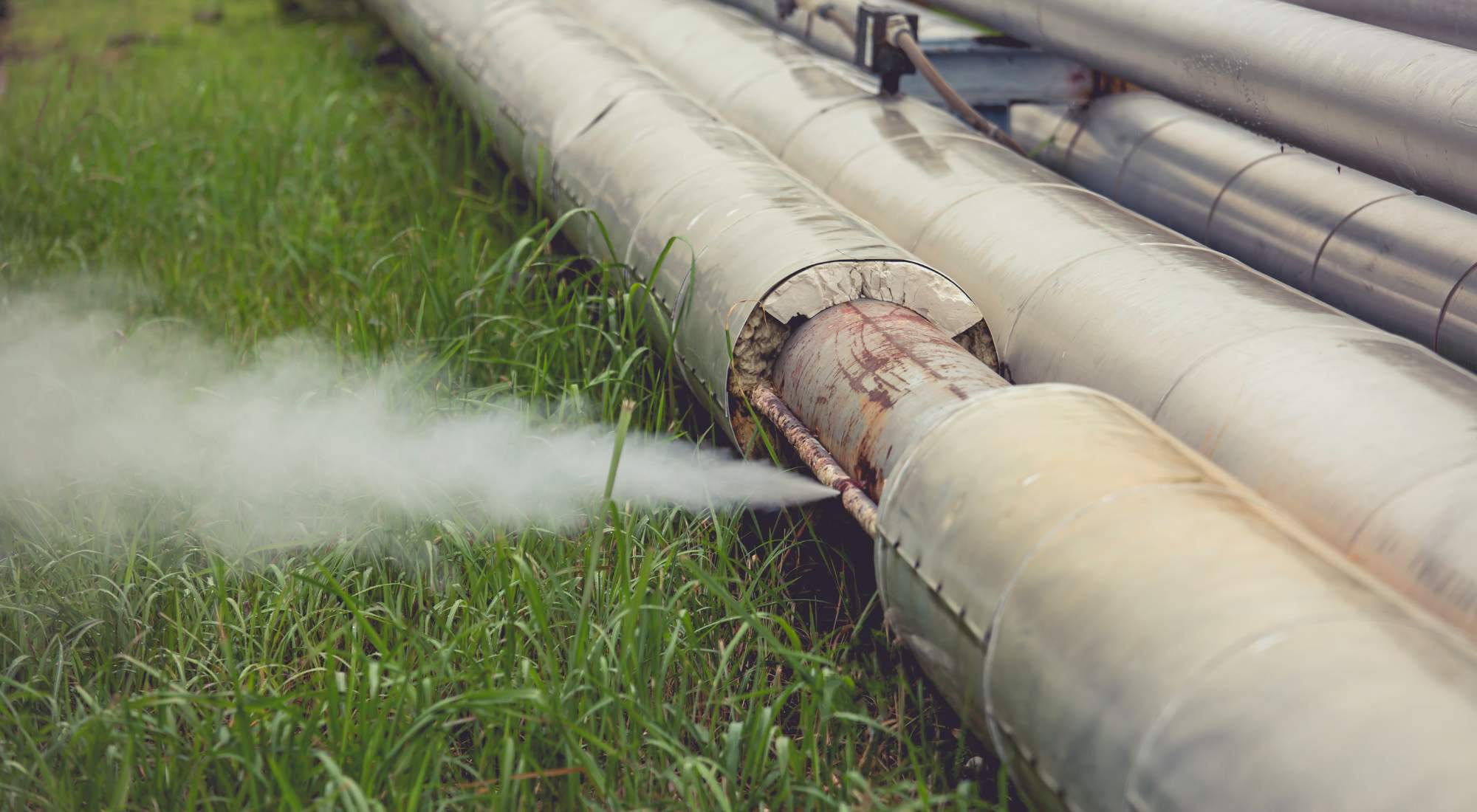
These sounds occur as gas escapes under pressure from a line or connection, and they may continue even when the appliance is turned off.
#3: Air Bubbles
Gas leaks can occur in underground pipes outside your home. One common warning sign is the presence of bubbles in standing water, such as puddles or muddy areas. These bubbles can form when natural gas escapes through the soil and rises to the surface.
In some cases, you might also notice dirt or dust being pushed upward or blown from a small hole in the ground.
#4: Dying Plants
Dying or unhealthy vegetation can be a subtle sign of a gas leak, particularly in areas where plants have otherwise been well cared for. When natural gas leaks into the soil, it can displace the oxygen that plant roots need to survive, effectively suffocating them.
As a result, you may notice wilting plants, stunted growth, or leaves that are smaller than normal. This can also appear as unexplained yellowing or patches of dead grass.
#5: Unexpectedly High Gas Usage
An unexpected increase in your gas bill can be a less obvious but important sign of a potential gas leak. While it’s normal for gas usage to rise during colder months when heating systems are in use, your bill should still follow a relatively predictable pattern based on your habits.
If you notice a sudden spike that doesn’t align with seasonal changes or shifts in your routine, it could indicate that gas is escaping somewhere in or around your home.
#6: Health Effects
Changes in your health can sometimes be an early warning sign of a gas leak. It may be worth considering your home environment as a factor if you begin experiencing the following symptoms without a clear cause:
- Persistent headaches
- Fatigue
- Dizziness
- Nausea
- Irregular breathing
- Chest pains
- Blurred vision
- Loss of consciousness
Exposure to leaking gas can affect the body over time, and these subtle but ongoing symptoms could indicate that something isn’t right.
For assurance that the air quality in your home is ideal for the health of your family, contact AAA Heating and Cooling.
How To Test for a Gas Leak in Your Home
If you notice any of the warning signs listed above, it’s imperative to find out if the signs you notice are actually due to a gas leak. Use one or more of the following methods to test for a gas leak before calling a professional to fix the source of the problem.
The Soapy Water Test
The soapy water test can help to detect a gas leak by making escaping gas visible. By mixing a small amount of dish soap with water and applying it to suspected areas, like pipes, hoses, valves, or connections, you create a thin film over the surface. When the system is pressurized, any leaking gas will push through the soapy mixture and form new, growing bubbles at the source of the leak. These bubbles act as a clear visual indicator that gas is escaping.
Examining Colors
The color of a flame on gas-powered appliances can reveal a lot about how safely and efficiently they’re operating and may point to a gas-related issue.
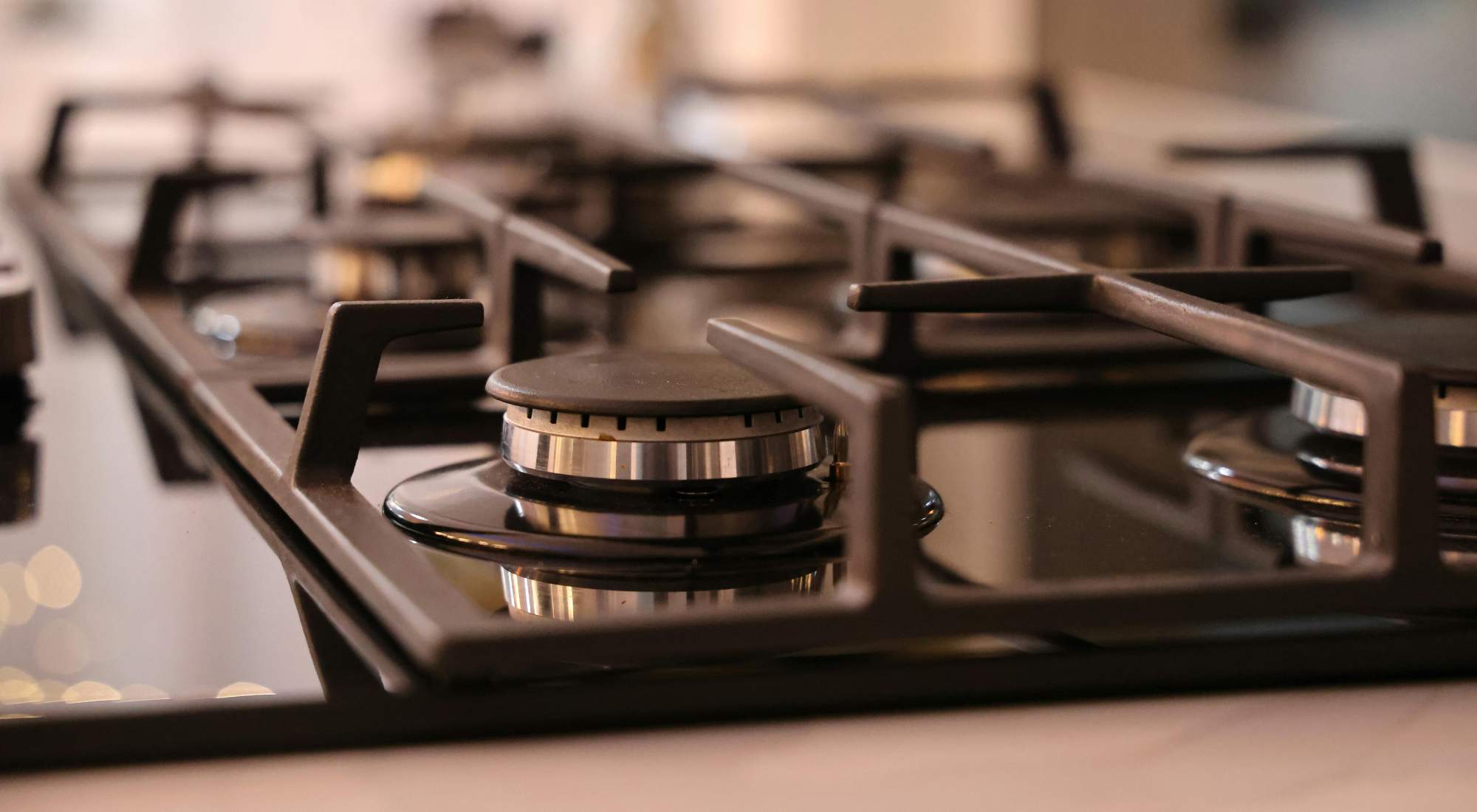
On a properly functioning stove, the burner flame should be steady and blue, which indicates clean and complete combustion. If the flame appears yellow or orange, it may mean the burner is dirty, or the gas isn’t burning fully, which can lead to the production of carbon monoxide. A red flame is an even stronger warning sign, as it indicates poor combustion and the potential release of dangerous gases. You should address this immediately.
Pilot lights offer similar clues. Most pilot lights should appear small and mostly blue, sometimes with a slight yellow tip. If you notice the pilot light turning orange or red, it could signal a malfunction or improper gas flow.
Gas Leak Detector
A gas leak detector helps to identify the presence of natural or propane gas and provide an early warning before the situation becomes dangerous. These devices work by sensing combustible gases in the air and triggering alerts when a leak is detected. Some advanced models can also detect carbon monoxide, adding an extra layer of protection for your home.
Using a gas leak detector is straightforward. For handheld models, you simply move the sensor probe along areas where leaks are most likely to occur, such as gas lines, valves, connections, and around appliances.
If gas is present, the device will respond within seconds with a clear alert. Installing a stationary detector in your home offers continuous monitoring, helping you catch leaks early and respond quickly to protect your household.
Natural Gas Detector
Using a natural gas detector can help identify when your gas-powered appliances are not burning fuel properly. Slow leaks may release too little gas to produce a noticeable odor. Larger leaks might go unnoticed by those with a reduced sense of smell. For this reason, it’s wise for homeowners to use a natural gas detector to receive an early warning of any gas presence.
Action Plan: What To Do If You Detect Signs of a Gas Leak
If you suspect a gas leak in your home, don’t hesitate. Take action immediately.
Here are some things you should do:
- Move to a safe location, preferably uphill or upwind from the leak.
- If it can be done safely, turn off any equipment or appliances that could create a spark.
- From a secure area, call 911 or your local emergency services.
- Alert others nearby about the potential gas leak and remain in a safe location until help arrives.
- Keep children away from stoves, heaters, or any other areas where natural gas may be present.
- Shut off the natural gas supply if it is safe to do so, using these steps:
- Find the valve: Locate your gas meter, usually on the side or front of your home. The shut-off valve is on the pipe coming out of the ground, just before the regulator and meter.
- Have a wrench ready: Keep an adjustable wrench or a gas shut-off tool nearby, as you’ll need it to turn the valve.
- Turn the valve: Use the wrench to rotate the valve a quarter turn (90 degrees) so that it is perpendicular to the pipe.
- Check the shut-off: The valve is fully closed when it sits crosswise to the pipe and the holes on the valve fitting align.
You should not do anything that may cause a spark, like:
- Striking a match or using any open flame
- Starting a vehicle or engine
- Using a cell phone or other electronic devices nearby
- Trying to put out a fire or fix the leak yourself
- Driving or moving any equipment through a gas vapor cloud, as it could ignite or explode
AAA Heating and Cooling: Portland’s Choice for Gas Leak Inspection and Repair
When it comes to the safety of your home and loved ones, don’t wait to act on the warning signs of a gas leak. Get professional help immediately.
For reliable, experienced service you can trust, AAA Heating and Cooling is the team to call.
With over 60 years serving homeowners and businesses in the Portland area, BBB accreditation with an A+ rating, and a reputation built on thousands of satisfied customers, AAA Heating and Cooling brings the expertise needed to both identify and address potential gas leaks and ensure your HVAC system is safe and up to code.
Our highly trained technicians can inspect furnaces, gas lines, and ventilation systems for signs of leaks, carry out preventative maintenance, and provide repairs you can count on, backed by transparent pricing and quality workmanship you can trust.
If you smell gas, suspect a leak, or simply want peace of mind before a problem arises, contact AAA Heating and Cooling today to protect your home and keep your family safe.