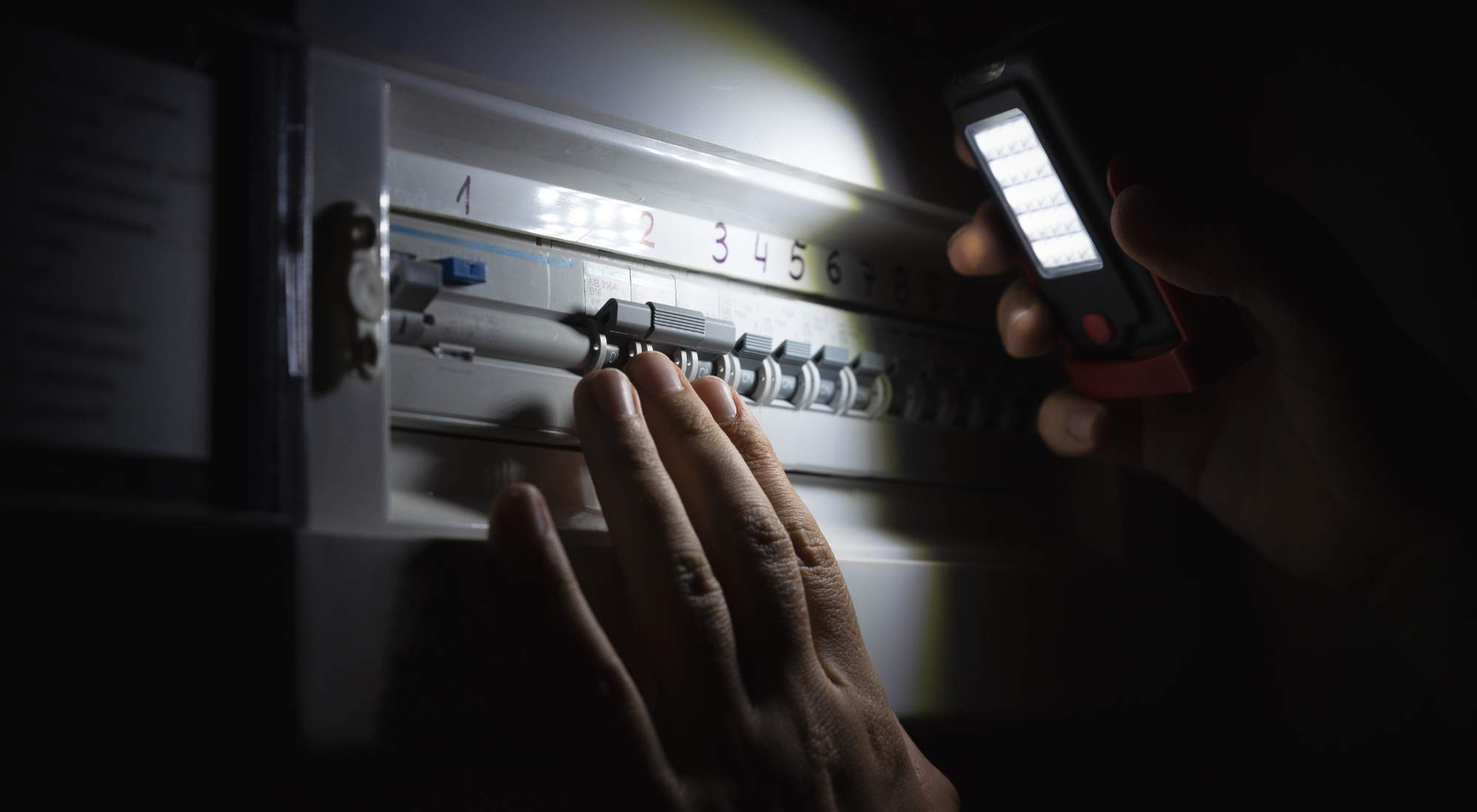
It’s the middle of winter, and an ice storm hits. The temperatures are frigid, and it doesn’t look like you will be able to leave home anytime soon. The next thing you know, a tree branch has fallen onto your power lines and knocked out the electricity.
Without electricity, you can’t heat your home. If you aren’t prepared, the consequences could be devastating.
Generators are a great way to ensure that you can keep warm, protect your home from damage, and save you money in the long run.
Below, we will examine how a generator can help keep your furnace running, factors to consider when choosing a generator, installation considerations, and why it is best to have a professional do the work for you.
Table of Contents
- Why Your Furnace Stops Working During a Power Outage
- How Using a Generator for Furnace Backup Works
- Portable Generator for Furnace Backup: Is It Enough?
- Installation Considerations for a Furnace Generator
- 3 Common Mistakes To Avoid When Using a Generator for Furnace Backup
- Frequently Asked Questions About Generators for Furnaces
- Stay Warm and Prepared All Winter With AAA Heating & Cooling
Why Your Furnace Stops Working During a Power Outage
Electricity is vital for furnaces because many of the key components require electricity to operate, including:
- Ignition – Required to light the gas
- Control Board – Controls the gas flow and maintains safety features
- Thermostat – Tells the furnace to turn on
- Blower Motor – Pulls air in to be heated and pushes heated air through the vents
Without electricity, hot air cannot flow into your home, even if the gas is ignited. If the gas isn’t ignited, safety features won’t allow the furnace to function because of potential harmful gas buildup.
Can a Furnace Run Without Electricity?
Modern furnace systems, even gas, cannot operate without electricity. Gas may supply fuel for heat, but the blower motor and ignition system won’t function. Warm air cannot circulate, and the thermostat won’t get the signal that the furnace needs to come on.
To ensure your furnace can continue to perform in the event of a power outage, it is important to have an emergency plan and be prepared in advance. One way to ensure you can continue to heat your home is by connecting it to a backup generator.
Our professional team at AAA Heating & Cooling will ensure that your generator is installed properly and that your home and family will be safe during a power outage.
How Using a Generator for Furnace Backup Works
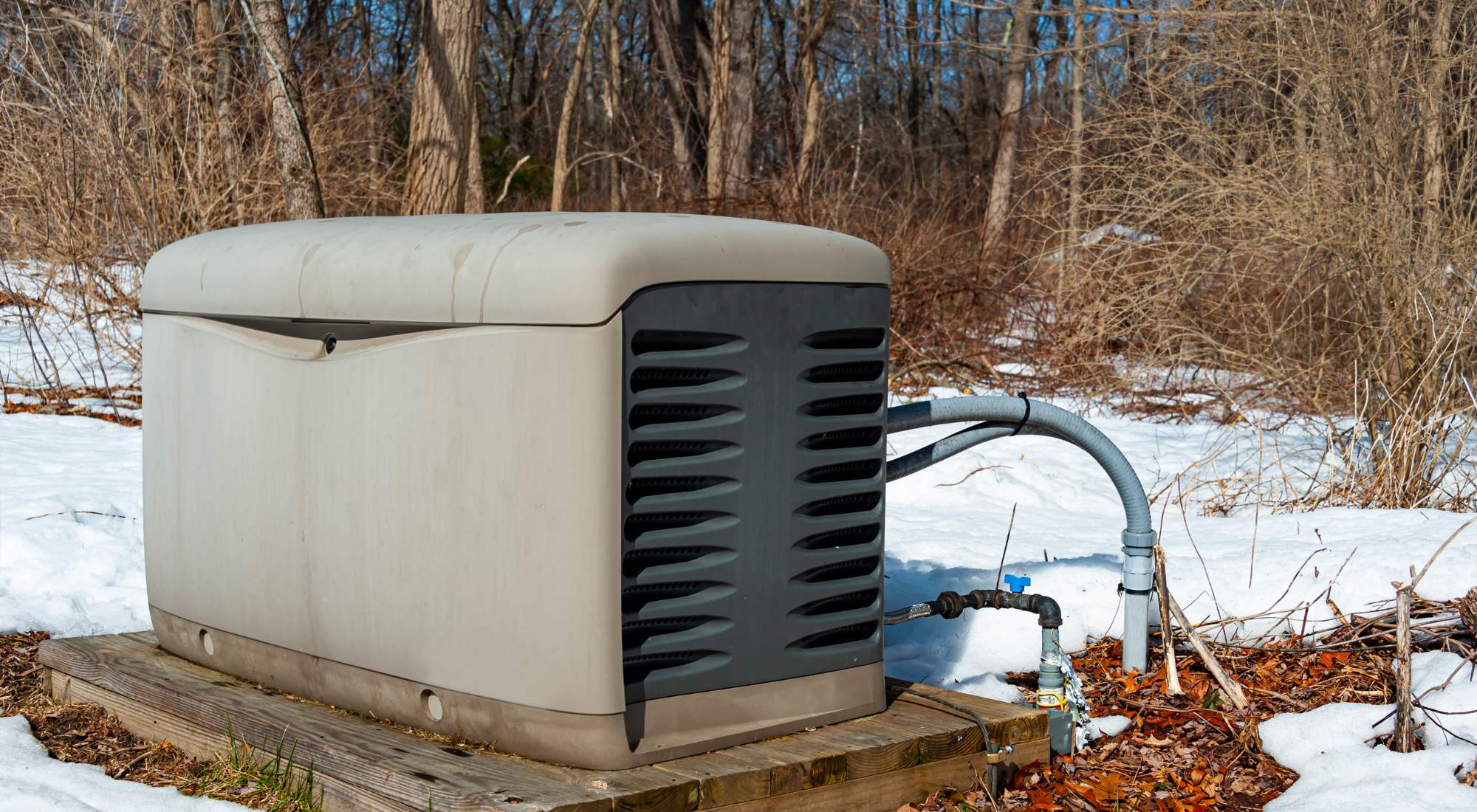
Generators provide power when the electricity is out. There are three types:
- Portable: These must be turned on manually, are operated with gas, and are used for small needs, such as powering a refrigerator, freezer, or a few lamps.
- Standby: Permanent generators designed to come on automatically when the power is out, which can power your entire home.
- Inverter: Used for sensitive electronics and provide clean power.
Generators operate by using fuel to create motion, which is turned into electrical current by an alternator. A transfer switch keeps the circuits running and connects to your home’s electrical panel, providing power and preventing backfeeding.
To power your furnace, you will need to use a generator that is appropriately sized.
Choosing the Right Generator for a Gas Furnace
Gas furnaces require electricity for the blowers and igniters. It is recommended to get a generator that can handle 3,000-6,000 watts to manage both the starting surge and the running power. After the initial start-up, a gas furnace typically runs on 600-1200 watts.
Your furnace’s manual or data plate will give you the exact wattage you need.
Inverter model generators are practical choices for furnaces because they are good for sensitive electronics like control boards.
You must also have a transfer switch and interlock kit installed by a professional to keep your home safe and prevent dangerous backfeeding.
Choosing the Right Generator for an Electric Furnace
Before buying a generator, check the manual to determine how much wattage is needed. Consider that the start-up surge requires 2-3 times the wattage it takes to run the furnace.
Many electric furnaces need an average of 5,000-25,000 watts. The generator must be able to meet or exceed that wattage. Portable generators are typically cheaper upfront, but require manual setup and frequent refueling to keep your furnace running.
Standby generators have a higher start-up cost, but they automatically turn on during power outages, and they can handle large loads like running a furnace.
Before finalizing your decision, speak with a professional about what type of generator will work best. The professionals at AAA Heating & Cooling can steer you in the right direction for all of your heating needs.
Portable Generator for Furnace Backup: Is It Enough?
There are situations where a portable generator might make sense, like during short power outages or with a limited budget. However, there will be challenges and limitations with the capacity and runtime.
Pros of Using a Portable Generator
- Lower upfront cost: You would likely need a mid-range generator in the $1,000-$2,000 price range to handle the load of a furnace. If you have a gas furnace, you may be able to get a smaller generator. Plan to spend on average $10-$70 a day to fuel the generator during an outage.
- Flexibility: A portable generator can also have other uses, such as camping or tailgating, to run lights, fans, refrigerators, and more. It could be used on boats, to use power tools, or to run appliances or lights in sheds or garages.
- Faster installation: Portable generators often take under an hour to set up.
Limitations and Safety Concerns
- Manual startup required: You must physically start up the generator and plug in appliances to run them.
- Limited power output: They don’t have enough power to run an entire home, just a few essential appliances.
- Carbon monoxide risks: Generators must be outdoors and away from any windows, doors, and vents to prevent carbon monoxide poisoning.
- Extension cords: Can cause insufficient power delivery and risk of overheating.
- Frequent refueling: To keep the appliances running, you have to refuel often, sometimes in bad weather conditions.
- Fire and electrocution risk: Wet conditions make it hazardous to use a generator.

Installation Considerations for a Furnace Generator
It is crucial to ensure that your generator for your furnace is properly installed. The best way to make sure that you have a safe installation, meet all required codes, and have the correct sizing is to have the generator professionally installed. If mistakes are made during installation, you are putting your home and family at risk due to the chance of carbon monoxide buildup or backfeeding of electricity.
Why a Transfer Switch Is Essential
The National Electrical Code requires a transfer switch and it is vital for many reasons, including:
- Preventing backfeeding to ensure the safety of linemen working on utility lines
- Protecting equipment like your generator, utility panel, and appliances from power surges
- Powering appliances that don’t have traditional plug-in cords
- Eliminating the need for multiple extension cords, making it safe to switch to generator power
- Helping protect furnace electronics
Permits, Codes, and Professional Installation
Installing a standby generator requires permits and adherence to certain codes. Contacting the Portland Bureau of Development Services to determine which permits are needed should be your first step.
Typically, generator requirements include:
- Electrical permits for the installation of permanent wiring
- Adherence to the Oregon Electrical Specialty Code that mandates safe electrical connections like transfer switches
- Adherence to NFPA 37 related to clearances, accessibility, and maintenance of stationary generators
To ensure that your generator is safely installed and that all permits and codes are followed, it is best to have a licensed HVAC/electrical professional complete the installation. AAA Heating & Cooling can make this process easy and seamless for homeowners.
3 Common Mistakes To Avoid When Using a Generator for Furnace Backup
#1: Undersizing the Generator
Using a generator that is too small for your needs can have damaging consequences, including:
- Constant overload stress
- Frequent shutdowns
- Tripped breakers
- Damage to connected appliances
- Overheating and excessive wear on the generator
#2: Ignoring Power Quality
Using a low-quality generator, poor fuel, unclean filters, or overloading the generator can produce “dirty power.” Using inverter generators, devices to filter noise, and regularly maintaining your generator will help produce “clean power.” Clean power is safer for devices with electronic components, runs cooler, and increases the lifespan of your generator.
#3: Unsafe Placement or Ventilation
A generator should never be operated in an indoor or partially enclosed space like a garage, basement, or crawlspace. Even if the windows are open and fans are being used, dangerous carbon monoxide (CO) is released.
To prevent dangerous CO build-up, you should:
- Only operate generators outdoors
- Make sure generators are at least 20 feet away from occupied buildings
- Keep generators away from all doors, windows, and vents to prevent fumes from being drawn inside
- Keep generators away from flammable materials such as shrubs and fences
- Keep generators away from places that flood
- Have 3-4 feet of clearance on all sides of the generator
- Keep exhaust directed away from occupied buildings
- Operate generators away from decks and overhanging areas that trap heat and CO
Frequently Asked Questions About Generators for Furnaces
What’s the Recommended Generator Wattage for Different Furnace Types?
Factors such as age, type of blower motor and ignition system, and size of the unit impact the wattage needed for a generator.
The average wattage needed for gas furnaces is:
- Small: 300-500 watts
- Medium: 400-800 watts
- Large: 800-1,000 watts
Typical wattage for oil furnaces is:
- Small: 800-1,000 watts
- Medium: 900-1,100 watts
- Large: 1,000-2,000 watts
Usual wattage for electric furnaces is:
- Small: 10,000-15,000 watts
- Medium: 15,000-25,000 watts
- Large: 25,000-50,000+ watts
The wattage needed for starting up the furnace is higher than the wattage for running it. Consult your furnace manual and a professional to calculate the load of your furnace before purchasing a generator.
What Are the Pros and Cons of Inverter Generators for Furnaces?
Inverter generators are more beneficial for running furnaces because they have cleaner power.
Other benefits include:
- They are quieter than traditional portable generators
- They use less fuel because they adjust the engine speed to the load
- They are lighter and easier to store or transport
- Environmentally friendly due to lower emissions
Cons include:
- More expensive upfront cost
- Limited output, so they may not be able to handle a large furnace
- Higher repair costs due to complex electronics
Is a Generator for Furnace Backup Worth It?
To determine if a generator is worth investing in, there are several factors to consider:
- Frequency of outages: If you often experience outages or outages that last for long periods, a generator may be worth the investment.
- Health: Will you need power to run essential medical equipment? If so, a generator would be necessary.
- Protecting property: Using a generator, especially if you have a sump pump, can prevent expensive damage to your home. Having the ability to run your furnace can keep pipes from bursting and flooding your home.
- Cost: Will the generator save you money in the long run? Think about how you will be able to save money on replacing food, finding an alternate place to stay, and repairing damages.
- Type of Furnace: If you have a gas or oil furnace, you may be able to get away with a portable generator rather than a standby generator for short-term outages.
Stay Warm and Prepared All Winter With AAA Heating & Cooling
AAA Heating and Cooling has over 60 years of experience as a Portland home furnace service company. Our family-owned business is devoted to assisting you with all of your HVAC needs.
Our goal is your health and comfort, especially as we enter the winter months ahead. If you are in need of repair, maintenance, or installation services, we have got you covered. Our technicians are specially trained to handle all types of heating needs.
Contact us today so you can stay comfortable in your home with our HVAC services.