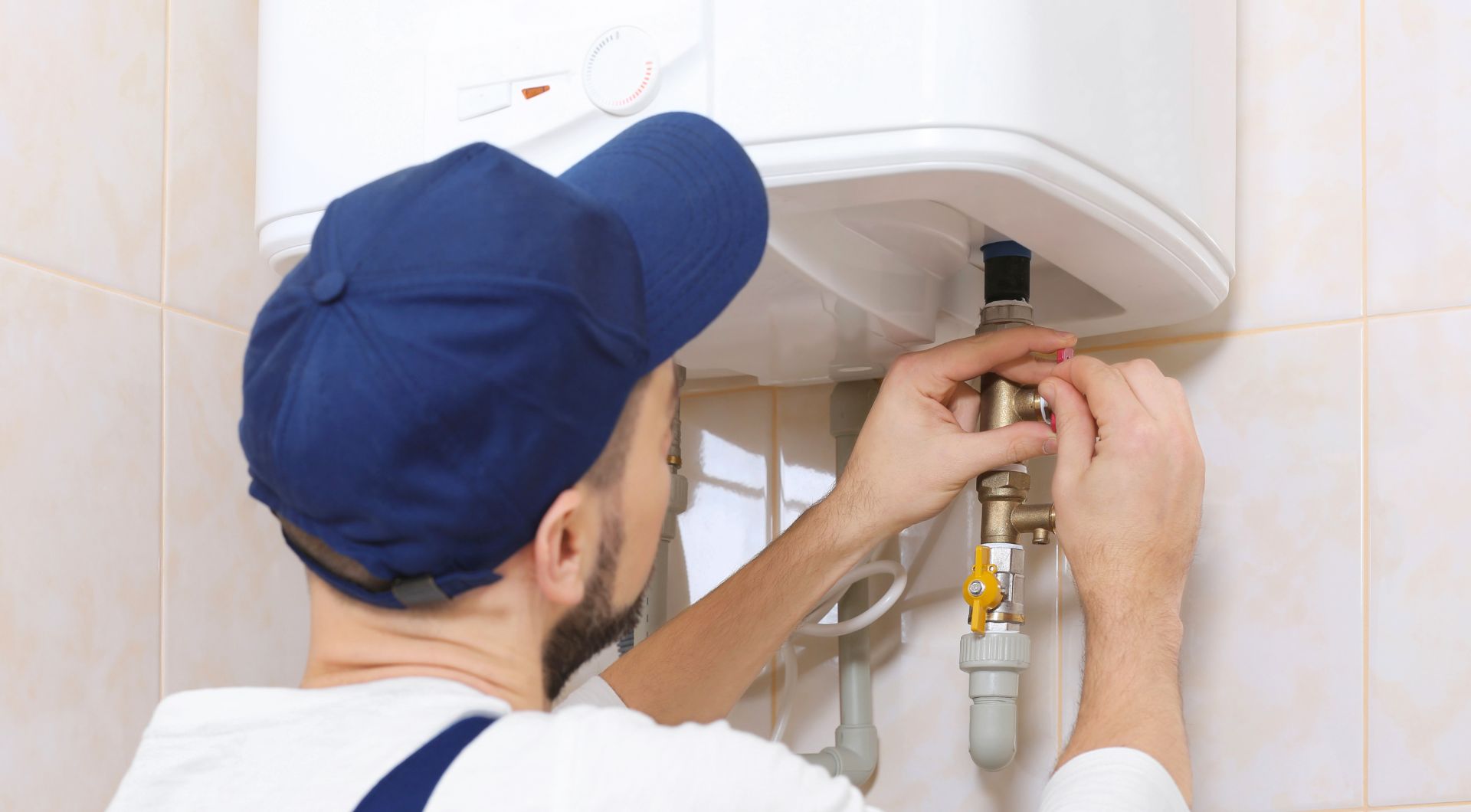
A thin stream of steam curls upward as you turn on the shower, but the moment your hand reaches into the spray, you jerk it back — the water is far hotter than you expected. Other mornings, it’s the opposite: a lukewarm trickle that never quite warms you up, no matter how long you wait. Between scalding surprises and disappointing cold spells, your water heater can turn simple daily rituals into a guessing game.
Behind these temperature swings lies a setting most homeowners rarely think about — but it has a major impact on comfort, safety, energy bills, and even the lifespan of your water heater. The good news? Finding the best temperature for your water heater is a simple adjustment that can immediately restore consistency and peace of mind.
In this article, you’ll discover the safest and most efficient water heater temperature for your home, why temperatures set too high or too low can cause hidden risks, and how to adjust your system safely and confidently.
Table of Contents
- What Is the Most Efficient Temperature for a Water Heater?
- Factors That Influence the Ideal Temperature for Your Home
- 3 Risks of Setting Your Water Heater Temperature Too High
- 3 Risks of Setting Your Water Heater Temperature Too Low
- Frequently Asked Questions About Best Temperature for Hot Water Heater
- Still Unsure About Your Water Heater Temperature? AAA Heating & Cooling Can Help
What Is the Most Efficient Temperature for a Water Heater?
The most efficient temperature for a water heater is typically 120°F, a level recommended by many experts for balancing safety, comfort, and energy savings. This setting helps prevent scalding, reduces energy use, and still provides enough hot water for most households.
While 120°F is widely recommended by organizations like the EPA and many water heater manufacturers, the reasoning goes beyond a simple number. At this temperature, water remains hot enough to meet everyday needs — bathing, washing dishes, laundry — without the risks and energy waste associated with higher settings.
Setting your tank to 120°F also helps prevent accidental burns, especially for children or older adults, whose skin can be more sensitive to heat. At the same time, lowering the temperature from 140°F (a common factory default) to 120°F can significantly reduce your energy consumption, since water heating is typically one of the largest energy uses in the home.
That said, some households may benefit from a slightly higher temperature — such as 130–140°F — especially if they use a dishwasher without a built-in heater or if someone in the home has a compromised immune system, where higher temperatures can help reduce bacterial growth. The key is balancing safety, efficiency, and the unique needs of your household when determining the best temperature for a water heater.
Understanding Why Water Heater Temperature Matters
The temperature you choose for your water heater influences far more than how warm your shower feels. It affects your daily comfort, your family’s safety, and even your monthly utility bills. Too high, and you risk scalding and unnecessary energy waste; too low, and you may invite bacteria growth or struggle to get enough hot water for your routine.
Your water heater works constantly in the background, cycling on and off to maintain the set temperature. This means even small adjustments can change how efficiently it uses energy and how consistently it delivers hot water throughout your home. Temperature settings also determine how quickly hot water runs out during showers or household chores, and they play a crucial role in preventing both accidental burns and microbial issues in stagnant water.
Because this single number touches so many parts of your home’s comfort and safety, understanding the best temperature for a hot water heater is an important first step to ensuring your system performs the way you need it to.
Factors That Influence the Ideal Temperature for Your Home
Several household factors can affect what temperature is truly “ideal” for your water heater. Larger families or homes with high hot water demand may need slightly higher settings to prevent running out. Dishwashers without internal heaters often require hotter water for proper sanitizing.
Health considerations also matter. Homes with immune-compromised individuals may benefit from temperatures on the higher end to reduce bacterial risk. And in the Portland and Beaverton areas, colder groundwater — especially in winter — can cool incoming water significantly, sometimes requiring a small temperature increase to maintain comfortable output.
These variables all shape what the best temperature is for a water heater for your home’s unique needs. For tips on finding the right water heater temperature for your home, AAA Heating and Cooling has handy resources and expert advice to help Portland and Beaverton homeowners stay comfortable and safe.
3 Risks of Setting Your Water Heater Temperature Too High
Setting your water heater above recommended levels can create several safety and efficiency concerns, including the following:
#1: Mineral Buildup and Shortened Water Heater Lifespan
When water is heated above recommended levels, minerals like calcium and magnesium in Portland’s naturally hard water settle more quickly inside your tank and pipes. Over time, this buildup — called scale — can reduce efficiency, strain heating elements, and lead to corrosion.
The result is a water heater that works harder, uses more energy, and may fail sooner than expected, shortening its overall lifespan. Maintaining the best temperature for a hot water heater helps minimize this long-term wear and keeps your system running smoothly.
#2: Higher Energy Bills and Additional Wear on the System
Raising your water heater’s temperature increases the energy needed to heat and maintain that water. Hotter water also loses heat faster when sitting in the tank—a phenomenon known as standby heat loss — forcing the system to cycle more frequently.
This extra workload not only drives up your energy bills but also puts added strain on components like the heating element and thermostat, accelerating wear and potentially shortening the lifespan of your water heater. Keeping your tank at the best temperature for a water heater balances comfort with efficiency and longevity.
#3: Scalding Hazards and Injury Risks
Water heated above 130–140°F can cause serious burns in just a few seconds. Children, older adults, and anyone with sensitive skin are particularly vulnerable, as their skin can be injured far more easily than that of a healthy adult.
Even brief exposure to excessively hot water can result in painful scalds or long-term injury. Setting your water heater to the best temperature for hot water heater helps protect your household from these preventable accidents.
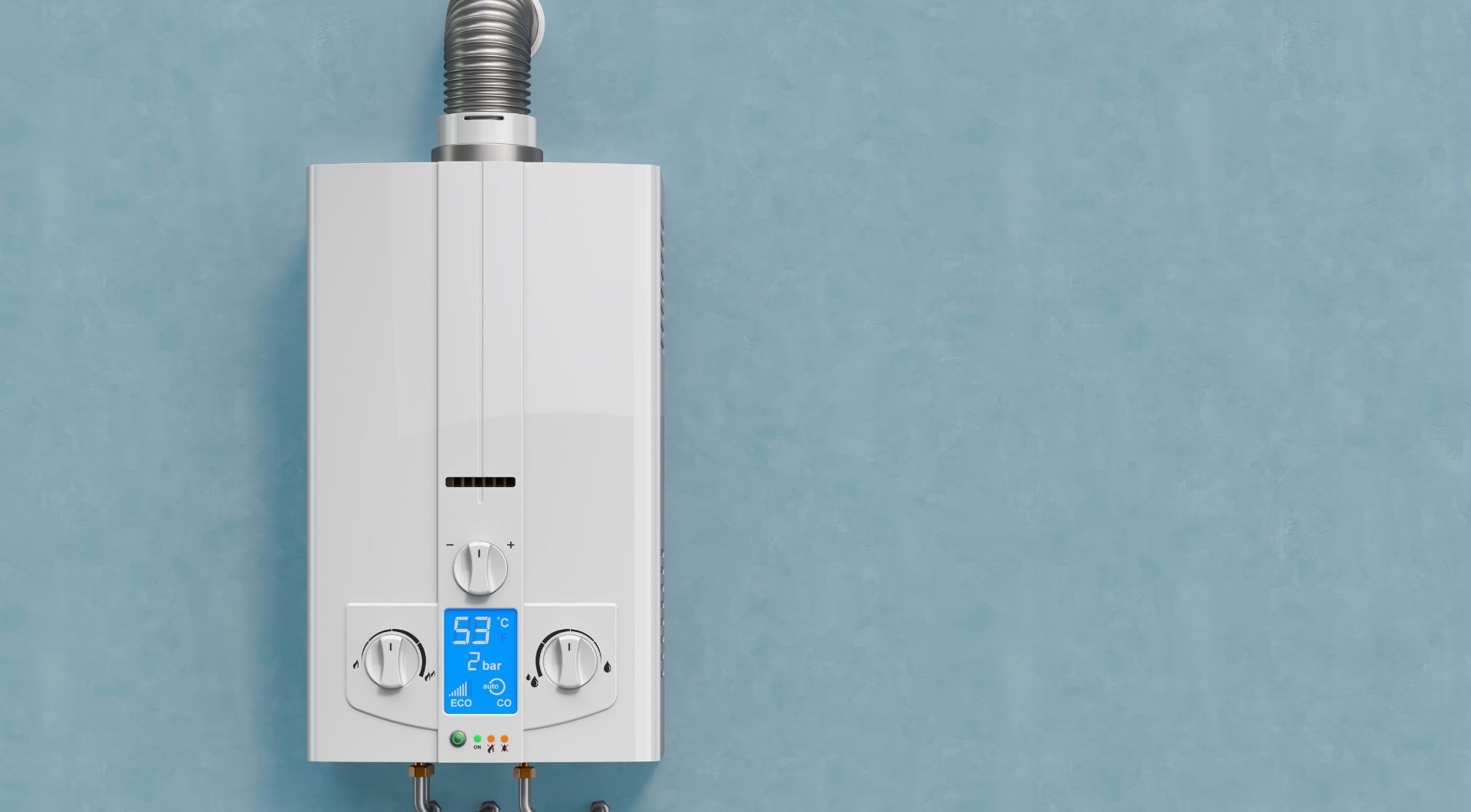
3 Risks of Setting Your Water Heater Temperature Too Low
Setting your water heater too low can create health, comfort, and efficiency issues, including the following:
#1: Bacterial Growth
Water stored at temperatures below 120°F can create an environment where bacteria, including Legionella, thrive. These microorganisms can multiply in tanks and plumbing, posing serious health risks if inhaled through steam or ingested. Maintaining the best temperature for a water heater helps limit bacterial growth and keeps your household water safe.
#2: Lukewarm Water and Inconsistent Shower Temperature
When your water heater is set too low, you may notice showers that never feel fully warm or faucets that fluctuate between warm and cool. Homes with multiple simultaneous hot water uses — like laundry, dishwashing, or multiple showers — may struggle to maintain consistent comfort.
A proper setting ensures enough hot water is available when you need it, delivering steady warmth without forcing the system to work harder than necessary.
#3: Poor Dishwasher Performance and Residue Issues
Dishwashers rely on hot water — typically around 120–140°F — to properly dissolve detergent, sanitize dishes, and prevent residue buildup. If the water entering the appliance is too cool, you may notice spots, streaks, or lingering food particles. Setting your water heater to the best temperature ensures your dishwasher works effectively, keeping dishes clean and hygienic with every cycle.
Frequently Asked Questions About Best Temperature for Hot Water Heater
Does Your Home’s Plumbing and Water Heater Type Affect the Water Temperature?
Yes, your water heater type and plumbing layout can influence how hot water feels at the tap.
Tank water heaters store heated water, so temperature is generally consistent, though heat can be lost in long pipes.
Tankless systems heat water on demand, which may cause slight fluctuations during simultaneous usage. Similarly, the farther hot water must travel through pipes, the cooler it may arrive, making distance and insulation important factors in achieving the best temperature for hot water heater throughout your home.
How Can I Notice if the Water Heater Isn’t Set Correctly?
You can often tell by observing inconsistencies in water temperature or performance throughout your home.
Common signs include:
- Sudden temperature swings in showers or sinks
- Running out of hot water faster than expected
- Water that feels too hot even at lower faucet settings
- Lukewarm or tepid water when full heat is expected
- Dishwashers or laundry not cleaning effectively due to insufficient hot water
Is 130℉ Too Hot for a Water Heater?
Yes, 130°F is generally hotter than recommended, as it increases the risk of scalding and energy waste. However, some households may require slightly higher temperatures for tasks like dishwashing or hygiene needs. Professional inspections and regular maintenance are advised to ensure the water heater operates safely at this setting.
While 120°F is the standard for most homes, 130°F can be acceptable in certain situations — especially where higher water temperatures help reduce bacterial growth or meet appliance requirements. If you need to maintain 130°F, a licensed technician can check your water heater’s components, insulation, and plumbing to ensure safe, efficient operation without unnecessary wear or hazards.
When Do I Need To Consider a Professional Evaluation of My Water Heater?
While adjusting your water heater’s temperature is often a simple task, there are times when a professional evaluation is the safest option. If you notice inconsistent temperatures, repeated lack of hot water, corrosion or leaks, or if your unit is very old, DIY adjustments may not solve the underlying problem and could even cause damage.
In these situations, a licensed technician can ensure your system is operating safely and efficiently, provide maintenance or repairs, and help determine the best temperature for a water heater tailored to your home’s needs. For homeowners in Portland, Beaverton, and surrounding areas, exploring the services offered by AAA Heating and Cooling is a smart way to protect your comfort, safety, and investment.
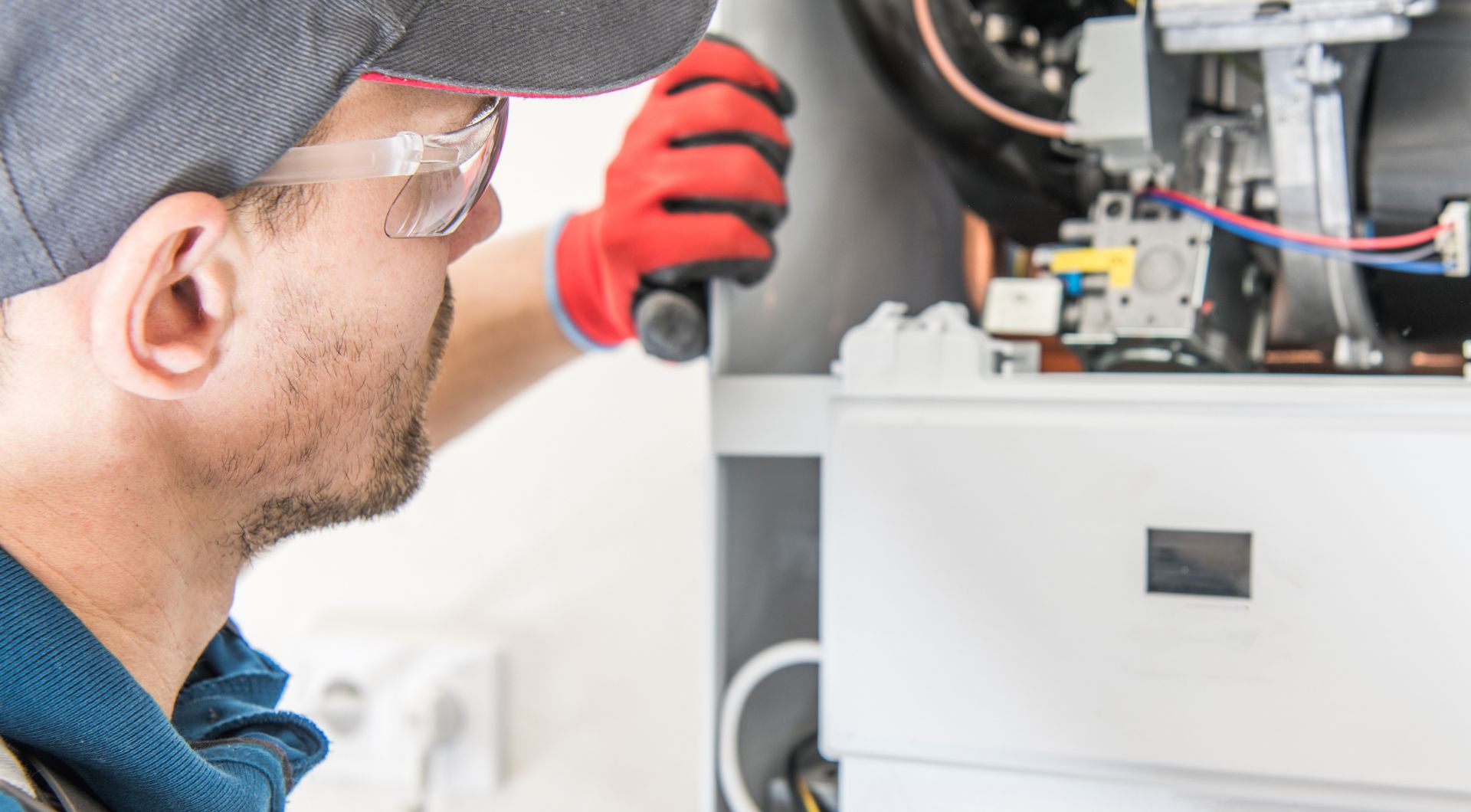
Still Unsure About Your Water Heater Temperature? AAA Heating & Cooling Can Help
Finding the best temperature for your hot water heater doesn’t have to be stressful. The team at AAA Heating and Cooling in Portland, Beaverton, and surrounding areas can assess your water heater, recommend the safest and most efficient settings, and handle any maintenance or adjustments your system needs.
Whether you’re dealing with inconsistent water temperatures, considering an upgrade, or just want peace of mind, our licensed technicians are ready to ensure your home stays comfortable, energy-efficient, and safe year-round. Don’t guess — let the experts at AAA Heating & Cooling help you get it right the first time.