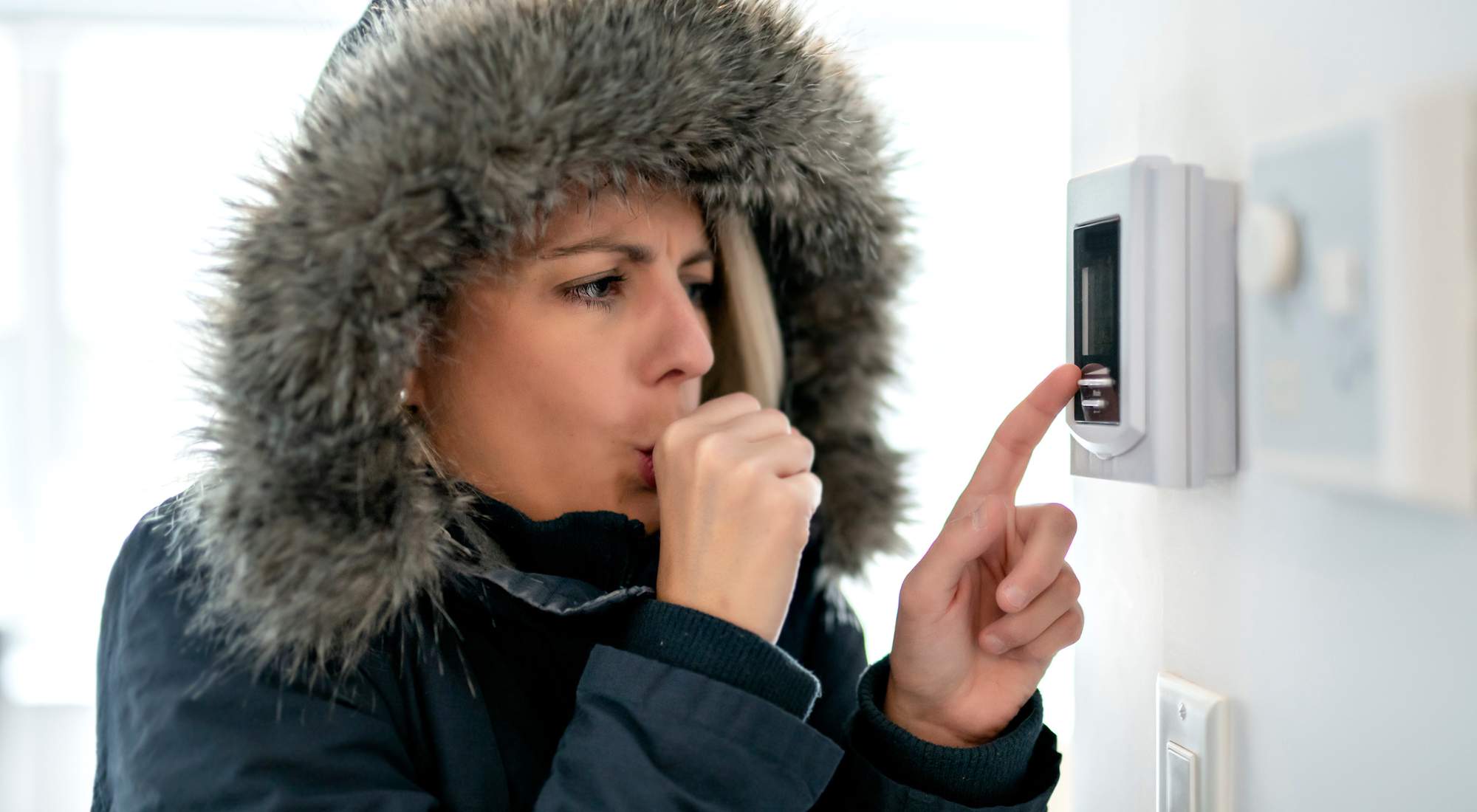
When winter rolls in, so does the annual thermostat tug-of-war. One person’s “perfectly cozy” is another’s “why does it feel like the Arctic tundra in here?” Every household has its temperature police, and every business has at least one person who’s too hot no matter what the thermostat says.
Dialing in the right winter setting doesn’t require guesswork, debates, or a treaty negotiation. There is a sweet spot that keeps you warm, protects your heating system, and doesn’t shock your energy bill.
Let’s walk through the ideal winter temperature, easy ways to figure out what works for your space, and practical tips to stay warm all season without wasting energy. And because we’re AAA Heating & Cooling — family-owned for 62+ years — you’ll get guidance that’s trustworthy, and maybe even a little fun!
Table of Contents
- What Is the Best Temperature for My Heater in Winter?
- 5 Simple Ways To Figure Out the Best Temperature for Your Heater This Winter
- 5 Chill-Busting Benefits of Staying at the Recommended Heater Temperature in Winter
- Cozy Tips For Keeping the Perfect Winter Temperature All Season Long
- Stay Warm All Winter With Expert Help From AAA Heating and Cooling
What Is the Best Temperature for My Heater in Winter?
The “right” winter temperature isn’t one-size-fits-all — it depends on what’s happening in your home or building and whether anyone is actually around to enjoy the warmth.
- If you’re home (or your business is open): Most experts recommend 68–72°F during the day. Warm enough for daily life, cool enough to keep your energy bill from staging a revolt.
- If you’re out running errands or your office is closed for a short break: You can safely dial things back to 60–65°F. No need to heat an empty room (unless your houseplants insist on tropical conditions).
- If you’re sleeping or the building is closed for the night: The U.S. Department of Energy suggests lowering your thermostat by 7–10 degrees, usually landing in the 60–67°F range. Cooler temperatures at night help you sleep better and save money — a win for your rest and your wallet.
Of course, these ranges aren’t set in stone. Your home’s insulation, heating system, and even your personal preferences all matter. Some people run warmer than others; some buildings lose heat faster than others.
If you’re unsure where your sweet spot should be, AAA Heating & Cooling can help tailor your settings to your lifestyle, building, and budget.
Can I Set My Thermostat for 74 in Winter?
Technically, yes — but 74°F isn’t ideal. It can spike your energy bills and make your system work harder than it needs to. The best temperature depends on your routine, your building, and how warm you tend to run. Keep reading to learn simple ways to find the perfect heater setting this winter.
5 Simple Ways To Figure Out the Best Temperature for Your Heater This Winter
Finding the right winter temperature is about understanding how your space behaves and how your daily life plays into it. These simple strategies can help you pinpoint the perfect setting.
#1: Match Your Temperature to Your Daily Flow
Your ideal heater setting should align with your daily routine. For example, if your household spends the mornings showering, having breakfast, and heading out the door, keep things warmer for those few hours, then lower the thermostat while the house is empty during the day.
If your office clears for a long lunch, or leaves for the day, drop the temperature to save energy. Even small shifts throughout the day can make a noticeable difference. Your thermostat should adjust to your schedule, rather than staying static.
#2: Balance Comfort and Operating Costs
When it comes to enjoying the space you pay for, or being productive at work, comfort matters — but so does a reasonable energy bill. The sweet spot for most people in the winter falls between 68–72°F. This range strikes a balance between feeling warm enough without making your heating system go into overdrive.
Tiny adjustments matter more than you might think. Even a one–two degree difference can reduce energy use while still keeping your home or business comfortable.
And if you’re wondering about the best temperature for a heater in winter at night, experts generally recommend between 60–67°F.
#3: Evaluate the Insulation and Building Characteristics
Have you ever run your heater nonstop, only to still be cold? Or maybe one room feels like a furnace and another an igloo?
Consider how your space holds heat. Drafty windows, worn out weatherstripping, thin walls, and poor insulation all let warm air escape. Meanwhile, well-sealed construction holds onto heat and keeps the indoor temperature more stable. That’s why two houses set to the same temperature can feel completely different.
AAA Heating & Cooling can assess your home or business, identify where heat is being lost, and recommend solutions that work. A simple repair can make a big difference!
#4: Adjust for Occupancy and Activity Levels
In addition to your furnace, heat is also produced by people and movement. Busy rooms with lots of people or running appliances often require a lower thermostat setting, while less active or populated areas may need a higher temperature to stay comfortable.
Adjusting for occupancy helps you avoid overheating high-traffic areas, while keeping slower spaces from feeling chilly.
#5: Let Smart Tech Get Rid of the Guesswork
Modern smart thermostats and zoning systems let you set it and forget it. They automatically adjust temperatures based on your schedule, activity levels, or even the weather.
For example, they can start warming the house before you wake up, lower the heat when you leave, and keep every room at the right temperature without you constantly fiddling with settings. If you find yourself adjusting the thermostat several times a day, then it might be time to let the tech take over.
5 Chill-Busting Benefits of Staying at the Recommended Heater Temperature in Winter
Keeping your thermostat within the recommended range keeps your heating system running smoothly, your wallet just a little thicker, and your home welcoming.
#1: Lower Bills and Predictable Costs
A steady temperature keeps your heater from constantly cycling on and off, which drains energy. Consistency reduces monthly costs and makes your bills far more predictable than if there are major spikes in use.
#2: Even, Comfortable Heating in Every Room
Consistent temperatures prevent drafts and hot or cold spots, keeping every room evenly warm. If you’re constantly turning high heat on and off to save energy, you’re likely overheating the smallest rooms, while the larger spaces you occupy the most (i.e. kitchens, living rooms) don’t have time to warm through.
A well-maintained heating system is key — AAA Heating & Cooling can make sure your system is working properly, your vents are balanced, and, if needed, recommend newer, more efficient units to eliminate temperature swings.
#3: Less Wear and Tear on Your Heating System
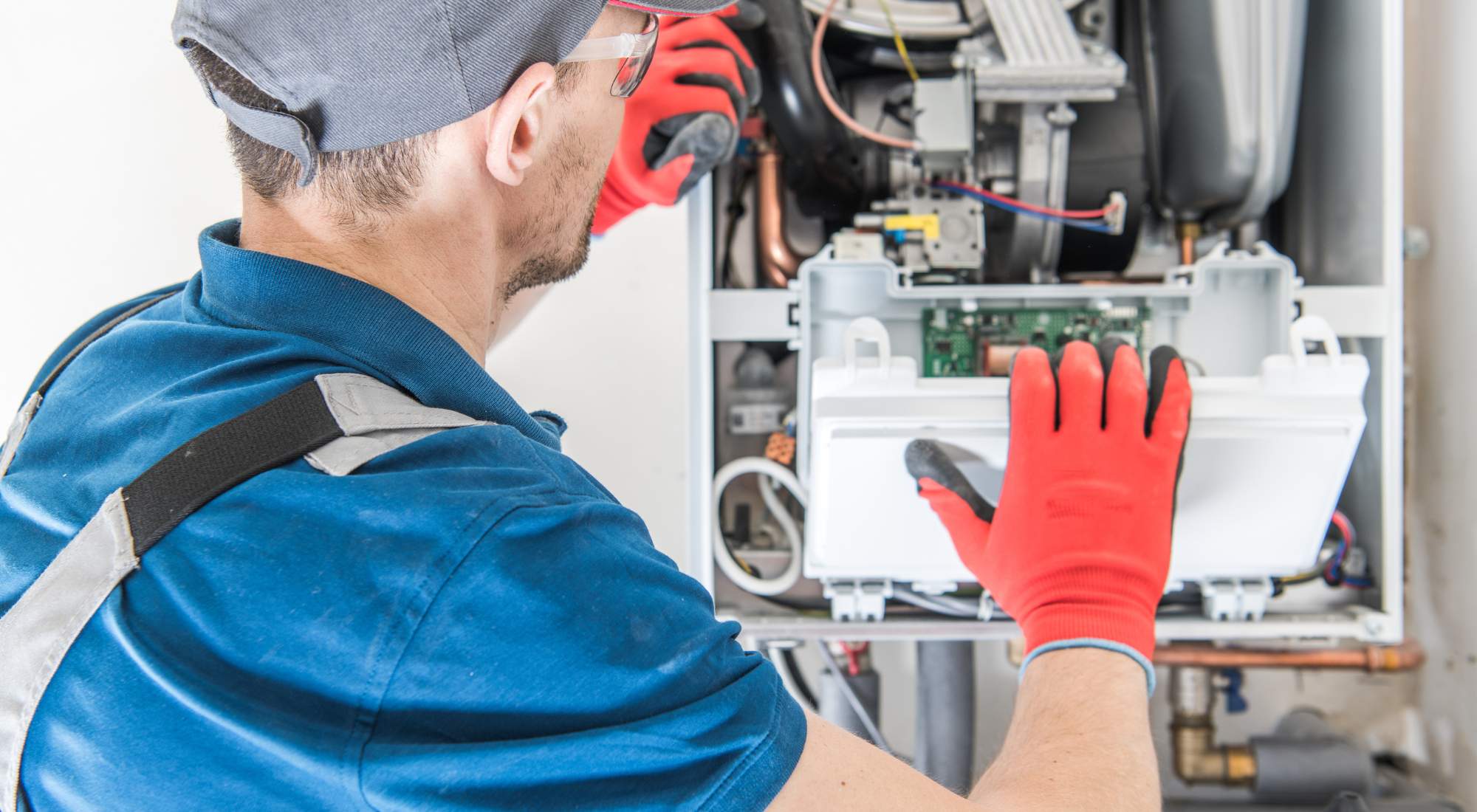
Frequent temperature swings force your heater to work harder. Keeping your thermostat steady helps your system run more smoothly and last longer. That means fewer breakdowns, fewer repair bills, and a happier heater.
#4: Better Indoor Air Quality and Well-Being
The right temperatures help maintain balanced humidity and prevent dry, stale air. That means fewer sniffles, scratchy throats, and less dry skin. In workplaces, better air quality can even support focus and productivity.
AAA Heating and Cooling can optimize your system so it circulates air cleanly and efficiently, keeping your environment healthier all winter long.
#5: Reduced Risk of Frozen Pipes and Moisture Problems
Keeping indoor temperatures steady protects your plumbing. Sudden temperature drops can cause pipes to freeze or burst — something no one wants to deal with mid-winter. Consistent warmth also prevents condensation, which helps you avoid mold, mildew, and moisture-related damage.
AAA Heating & Cooling can inspect your system to make sure your home or business stays safe, dry, and protected.
Cozy Tips for Keeping the Perfect Winter Temperature All Season Long
Winter has a way of creating temperature chaos — a warm living room paired with a frigid hallway or an office that somehow manages to feel hot and cold at the same time. A few simple strategies can keep your space evenly warm and energy-efficient all season.
- Use a smart or programmable thermostat: Set it to adjust automatically for your schedule, so your space stays heated when needed and saves energy when it’s empty.
- Improve airflow and circulation: Keep vents clear, use fans on low to distribute warm air, make sure nothing blocks the airflow.
- Stop heat loss at the source: Seal gaps, insulate windows, and check doors to keep warm air inside.
- Maintain your system regularly: Schedule inspections and tune-ups with AAA Heating & Cooling to keep your heater running at peak performance all winter.
- Avoid big temperature swings: Keep your thermostat steady to prevent strain on your system and to keep it operating smoothly.
Stay Warm All Winter With Expert Help From AAA Heating and Cooling
Finding the perfect winter temperature doesn’t have to feel like a guessing game.
With over 62 years as a family-owned business, AAA Heating & Cooling has helped families and businesses stay warm, efficient, and stress-free all season long. From routine maintenance and system inspections to personalized thermostat guidance, we make winter heating simple.
Contact our professional heating and cooling experts today to schedule an appointment.