We can all agree that air quality matters in a home, but it becomes especially important when you or your family start dealing with allergies, breathing issues, frequent sickness, or unexplained discomfort. What often starts as a minor irritation can slowly escalate into something more concerning, affecting daily comfort and overall health.
The good news? Paying attention to your indoor air quality is one of the most impactful changes you can make at home. With the right approach, your air conditioning system can play a major role in creating a cleaner, safer space for your family, one where everyone can breathe a little easier.
In this article, we’ll break down the most common sources of indoor air pollution, explain how your HVAC system affects air quality, highlight warning signs to watch for, and share practical ways your air conditioning system can help improve the air inside your home.
Table of Contents
- What Are the 3 Most Common Sources of Indoor Air Pollution?
- How Does HVAC Affect Indoor Air Quality?
- 4 Problems With Your Air Conditioning That May Affect Indoor Air Quality
- Possible Signs of Poor Indoor Air Quality
- 4 Ways To Improve Indoor Air Quality With Your Air Conditioning System
- Improve Your Indoor Air Quality With AAA Heating and Cooling’s Superior HVAC Services
What Are the 3 Most Common Sources of Indoor Air Pollution?
#1: Internal Sources
Many heating and air conditioning indoor air quality issues start inside the home. Common internal pollution sources include:
- Combustion byproducts: Gas stoves, fireplaces, and heaters can release carbon monoxide, nitrogen dioxide, and fine particles if ventilation or maintenance is lacking.
- Volatile organic compounds (VOCs): Emitted from paints, furniture, cleaning products, and air fresheners, VOCs can cause headaches, irritation, and long-term health concerns.
- Biological contaminants: Mold, dust mites, pollen, and pet dander thrive in humid, poorly ventilated spaces and often trigger allergies or asthma.
- Fine particles & hidden hazards: Cooking smoke, dust, and residue can linger indoors, while older homes may also face issues like radon or asbestos.
#2: External Sources
Even with a clean home, outside air can still affect indoor air quality. Common outdoor pollutants include:
- Vehicle exhaust: Emissions from nearby traffic can introduce harmful gases and fine particles indoors.
- Industrial and urban pollution: General outdoor air pollution can seep in through small gaps and unsealed openings.
- Pollen: Seasonal allergens easily enter homes, especially during spring and summer.
- Dust and debris: Wind-blown dust can accumulate indoors if airflow isn’t properly filtered.
Effective filtration and controlled airflow help limit what makes its way inside, without having to seal your home shut.
#3: Inadequate Ventilation
Poor ventilation allows pollutants to build up instead of being carried out. Common issues include:
- Trapped indoor pollutants: Without enough fresh air exchange, dust, VOCs, and moisture linger indoors.
- Stale or stuffy air: A change in the air is a clear sign that air isn’t circulating or refreshing often enough.
- Health-related symptoms: The most common signs that your health has been affected are headaches, dizziness, or eye and throat irritation that ease once you leave the space.
- Sick building syndrome (SBS): This health condition is often linked to poor airflow, chemical off-gassing, and too few air changes per hour.
- HVAC-related causes: Systems that are outdated, improperly designed, or poorly maintained can contribute to the problem.
If your home consistently feels stale or uncomfortable, AAA Heating & Cooling can help evaluate your HVAC system and identify ventilation issues that may be affecting your heating and air conditioning’s indoor air quality.
How Does HVAC Affect Indoor Air Quality?
HVAC systems improve indoor air quality by filtering pollutants, controlling humidity, and circulating air throughout the home. When working properly, they reduce dust, allergens, and moisture that can otherwise build up indoors.
Your HVAC system filters airborne particles like pollen, pet dander, and dust before they spread through your living space. It also helps manage humidity, making it harder for mold and dust mites to thrive. Ventilation moves stale air out and brings in fresher air, instead of letting pollutants linger.
When filters are dirty or systems aren’t maintained, contaminants can circulate more easily. If you want to make sure your Portland residential air conditioner is supporting clean, healthy air, AAA Heating & Cooling can help assess your system and recommend the right next steps.
4 Problems With Your Air Conditioning That May Affect Indoor Air Quality
#1: Excess Moisture
Air conditioners don’t just cool your home; they also remove moisture. When something goes wrong, excess water can build up where it shouldn’t.
Leaks, clogged drain lines, or heavy condensation can create damp conditions that encourage mold and mildew growth. Once those spores develop inside or near your system, they can be circulated throughout your home.
If you notice musty odors, visible moisture, or unexplained humidity, your AC may be contributing to indoor air quality issues rather than helping prevent them.
#2: Dirty Filters
Your air filter is the first line of defense for indoor air quality. When it’s clean, it traps dust, pollen, pet dander, and other airborne particles before they circulate through your home.
When it’s clogged, those contaminants can build up or slip right past. Dirty filters also restrict airflow, forcing your system to work harder and spread lower-quality air.
During heavy-use seasons like summer, changing filters regularly makes a noticeable difference in both air quality and system performance.
#3: Duct Damage
Your ductwork acts like a delivery system for the air you breathe. When ducts are damaged, leaking, or poorly sealed, dust, debris, and other pollutants can collect inside. Every time your AC runs, those contaminants can be pushed directly into your living space.
Duct issues can also pull in air from crawl spaces or attics, lowering overall air quality and comfort. Keeping ducts sealed and in good condition helps ensure clean, consistent airflow throughout your home.
#4: Outdated Equipment
Older air conditioning systems weren’t built with today’s heating and air conditioning indoor air quality standards in mind. Many struggle with consistent airflow and can’t support modern, high-efficiency air filters. As a result, more dust, allergens, and fine particles may continue circulating through your home.
Newer systems are designed to work with improved filtration and better humidity control, helping reduce contaminants instead of redistributing them. If your AC is aging or inefficient, it may be quietly working against your indoor air quality rather than supporting it.
Possible Signs of Poor Indoor Air Quality
Indoor air issues aren’t always obvious, but your home often gives you subtle (and not-so-subtle) hints. If something feels “off,” these common signs may point to air quality problems tied to your AC or airflow:
- Loud noises: Rattling, buzzing, or whistling sounds can indicate restricted airflow, dirty filters, loose components, or duct issues. These conditions can allow dust and contaminants to circulate.
- Strange odors: Musty smells may signal excess moisture or mold growth, while chemical or burning odors can come from clogged filters, dirty coils, or aging equipment.
- Asthma or allergy symptoms: Increased sneezing, coughing, wheezing, or itchy eyes when you’re indoors often mean allergens like dust, pollen, or pet dander aren’t being properly filtered or removed.
If these signs show up at home but improve when you leave, your heating and air conditioning’s indoor air quality may be the reason.
4 Ways To Improve Indoor Air Quality With Your Air Conditioning System
Improving indoor air quality doesn’t always require major upgrades or complicated changes. In many cases, your existing air conditioning system already has the tools to make a real difference. By focusing on a few key areas, like airflow, filtration, and upkeep, you can reduce common pollutants, manage moisture, and help your home feel fresher and more comfortable year-round.
#1: Check Filters
Your air filter has a big impact on heating and air conditioning indoor air quality, and it’s often overlooked. Its job is to trap dust, pollen, pet dander, and other particles before they circulate through your home.
When a filter gets too dirty, airflow drops, and contaminants are more likely to spread. Filter replacement schedules vary, but heavy AC use, pets, or allergies may mean changing it more often.
Weak airflow or dust buildup are common warning signs. Using the right filter and keeping it clean helps your system move air more effectively, while keeping the air you breathe noticeably cleaner.
#2: Increase Air Circulation
Better air circulation helps prevent pollutants from settling and keeps indoor air from feeling stale or heavy. When air moves more consistently, dust, allergens, and moisture are less likely to linger in one place.
Your air conditioner’s fan plays a big role here. Running the fan more often allows air to pass through your system’s filter more frequently, which can help reduce airborne particles and balance temperatures throughout the home. This is especially helpful in rooms that feel stuffy or warmer than others.
Even modest improvements in airflow can make your home feel fresher, more comfortable, and easier to breathe in, without major changes to your system.
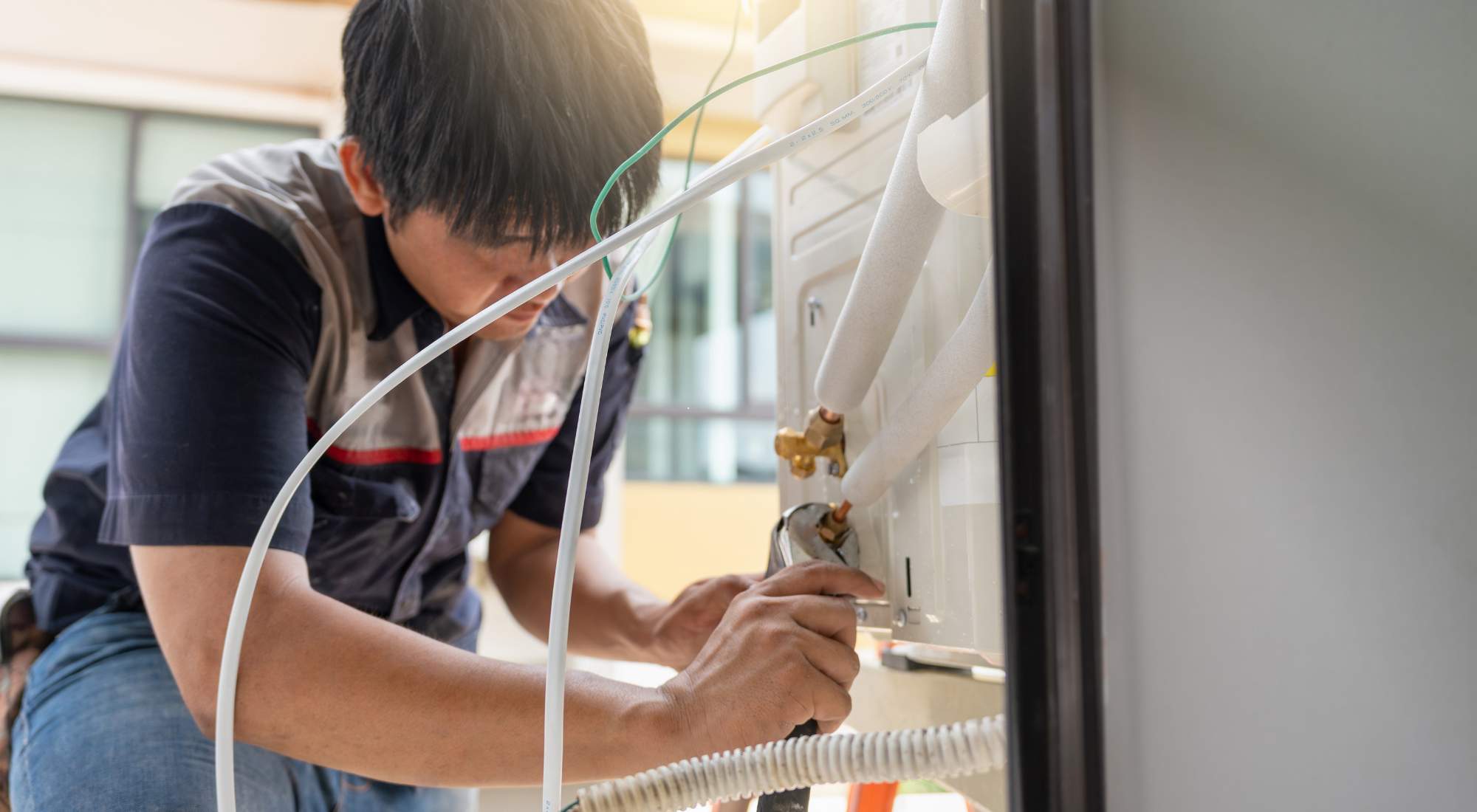
#3: Consider Investing in Indoor Air Quality Products
Sometimes your air conditioner needs a little backup. Indoor air quality products can work alongside your AC to target specific issues.
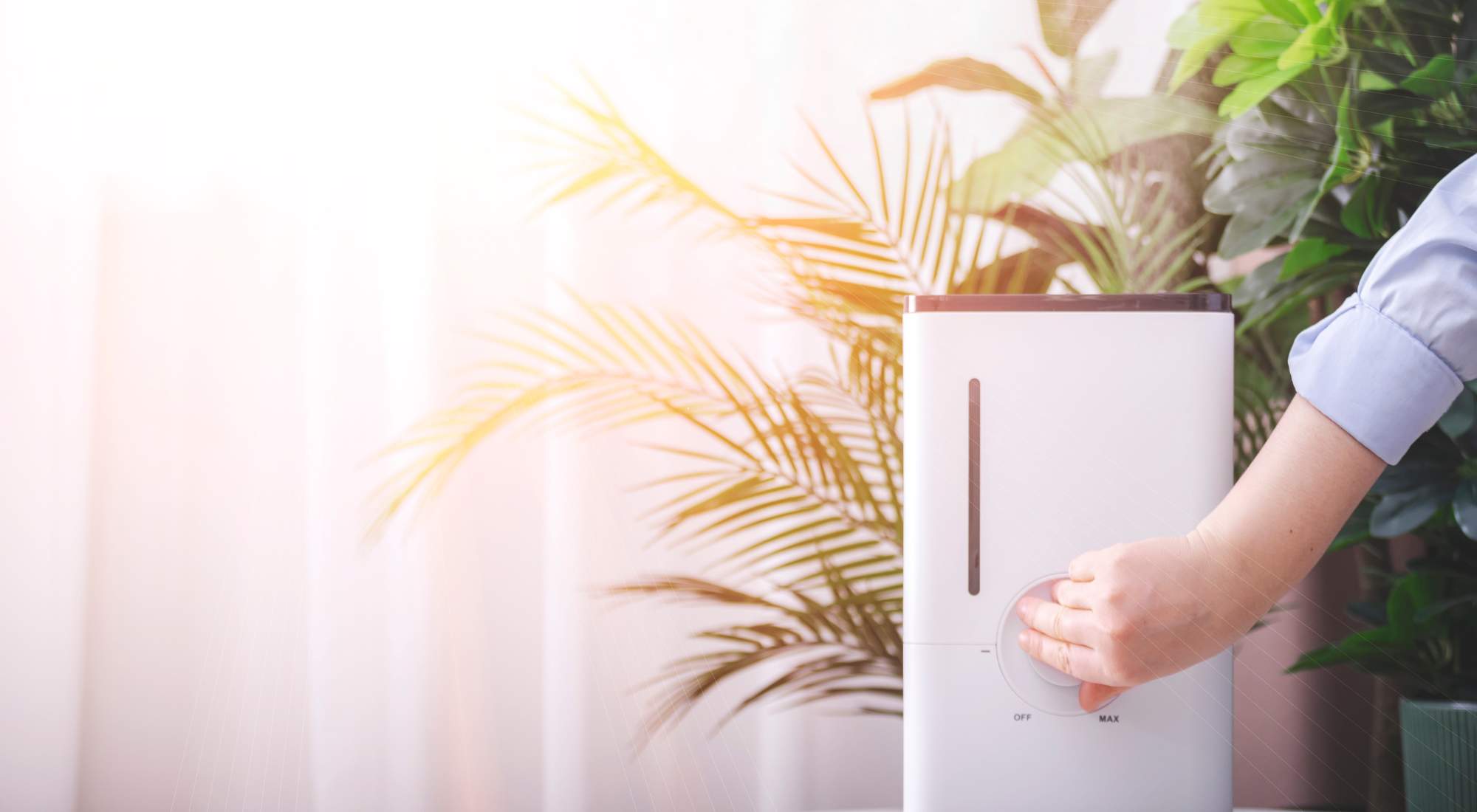
- Humidifiers add moisture when the air is too dry, improving comfort and reducing irritation.
- Dehumidifiers remove excess moisture that can lead to mold, musty odors, and allergens.
- Air purifiers help capture fine particles like dust, pollen, and pet dander before they circulate.
These add-ons don’t replace your AC, but when paired with it, they can make a noticeable difference in how clean and comfortable your home feels.
#4: Schedule Routine Maintenance With an HVAC Professional
Routine maintenance helps catch small issues before they turn into expensive problems or air quality headaches. During regular checkups, a professional can spot dirty components, airflow restrictions, moisture issues, or worn parts that may affect how clean your air is.
Being proactive keeps your system running efficiently, extends its lifespan, and helps ensure it’s improving your indoor air, not quietly working against it.
Improve Your Indoor Air Quality With AAA Heating and Cooling’s Superior HVAC Services
At the end of the day, clean indoor air doesn’t happen by accident; it comes from a system that’s working the way it should and people who actually care about how it affects your home. AAA Heating & Cooling has been a family-owned company for over 62 years, proudly serving the Portland Metro Area from our Portland and Beaverton locations.
We believe in being a family business helping family, which means honest guidance, long-term solutions, and relationships that last longer than a single service call. If you’re concerned about your heating and air conditioning indoor air quality or just want peace of mind, give us a call to speak directly with a representative, or fill out our online contact form, and an advisor will reach out within 24 hours. Your comfort (and your lungs) will thank you.