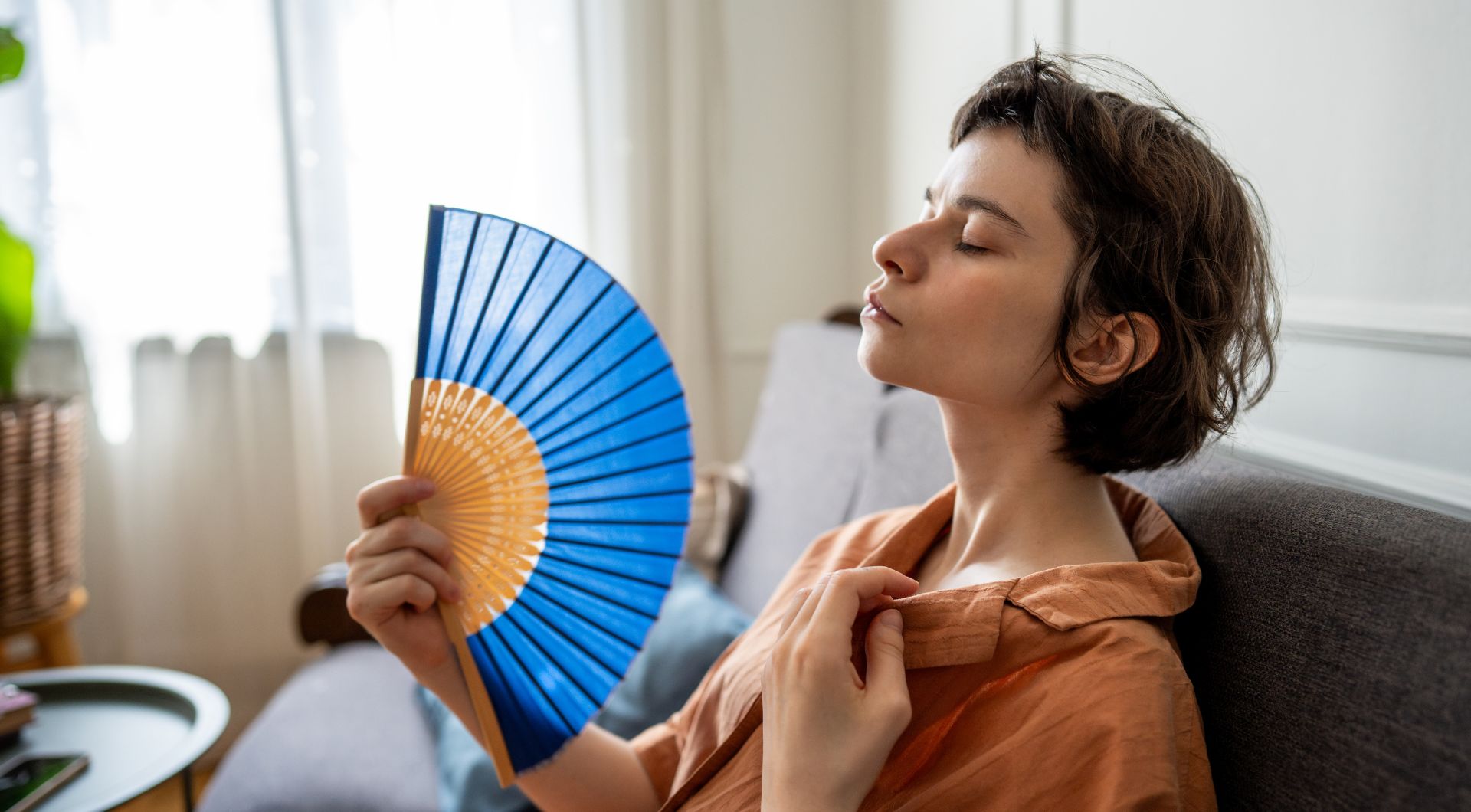
The weather forecast said you’re in for a scorching few days, with temperatures far above normal and humidity that will make it feel like you’re in a steam bath.
You’ve heard conflicting advice about how to battle the heat, but aren’t sure which to believe or act on.
Well, you’ve come to the right page. Keep reading to learn the best temperature to set your AC to during a heat wave, 10 common myths about AC settings during heat waves, and steps to take to prepare ahead of time.
Table of Contents
- What’s the Best Temperature To Set the AC During a Heat Wave?
- Why Heat Waves Put Extra Stress on Your AC System
- 10 Myths About AC Setting During Heat Waves
- Preparing Your AC System Before the Next Heat Wave
- Get Your AC Ready for the Next Heat Wave With AAA Heating & Cooling
What’s the Best Temperature To Set the AC During a Heat Wave?
Experts recommend keeping your home between 75-78°F during heat waves because it’s cool enough for most people to stay comfortable while still warm enough to avoid excessive energy use and reduce strain on your HVAC system.
How Much Cooler Should Your Home Be Than the Outdoor Temperature?
Air conditioners are designed to maintain a temperature difference, not reach whatever random temperature the thermostat is set to. During a heat wave, homeowners should base their expectations on their individual HVAC system’s limits.
HVAC industry standards specify that systems are designed with a specific temperature differential, typically 15-20°F between indoor and outdoor temperatures.
For example, if it’s:
- 100°F outside and 80-85°F inside is a normal range
- 95°F outside than 75-80°F indoors is realistic
It may not be possible to push your system beyond its design temperature differential, or doing so could cause the system to run constantly, leading to extra strain and potential malfunctions.
Why Heat Waves Put Extra Stress on Your AC System
Air conditioners don’t create cold air. They only remove heat from inside your home and transfer it outside. Refrigerant fluid absorbs heat and releases it outside as it travels through the system, a process called the refrigeration cycle.
Heat waves make cooling harder because the system becomes less efficient as it has to dump indoor heat into already hot outdoor air, meaning your AC unit needs to work harder to get the same result. Cooling can become slower, less effective, and harder to reach or maintain the set temperature.
All that extra work puts a strain on your cooling system, leading to longer or continuous running cycles and higher energy use.
10 Myths About AC Setting During Heat Waves
#1: Lowering the Thermostat Cools a Home Faster
It’s commonly believed that lowering your thermostat will cool your home faster. The reality is that air conditioners cool at a fixed rate. The thermostat only controls how long the system runs, not how quickly it cools. Setting a very low temperature not only doesn’t affect how long it takes for your home to cool down, but it also keeps your system running longer than it needs to, creating higher energy bills and more strain on your system.
#2: Thermostat Temperature Should Not Be Adjusted During the Day
Some homeowners believe their thermostat should be set to a single temperature all day, when in fact the opposite is true. It’s actually a good idea to adjust your home’s temperature based on your family’s schedule.
The best way to adjust the thermostat during the day is to raise the temperature a few degrees before you leave the house and lower it back to your comfortable setting when you get home.
Doing this saves energy by cooling less when no one’s home and reduces how hard your system has to work by avoiding unnecessary cycles during the hottest hours of the day.
Smart/programmable thermostats come in handy because they can automatically adjust the temperature based on the time of day or if anyone is home. They help by keeping your home at a consistently comfortable temperature and are more energy efficient.
#3: Thermostat Settings Should Not Change at Night
Your thermostat doesn’t need to stay at the same temperature overnight as it does during the day. Still, it may not be effective or even comfortable to shut your AC system off at night, especially during a heat wave. In reality, you can absolutely adjust the nighttime settings to stay comfortable and energy efficient.
During a heat wave, nighttime temperatures often stay high, so if you turn your AC off entirely, indoor temperatures may rise too much, making it harder to cool the house down again in the morning.
Instead, increase the thermostat by a few degrees before you go to sleep, then:
- Use ceiling or portable fans.
- Choose lighter bedding.
- Optimize airflow.
#4: An AC System Should Not Run Continuously
When it’s way hotter outside than usual, it’s normal for your air conditioner to keep running for long periods or to stay on all the time. It doesn’t mean your system is broken; it’s just working a bit harder to keep up with the extreme heat rather than just reach the temperature you’ve set.
Call your friendly neighborhood HVAC technicians, AAA Heating and Cooling. if you notice that your system is running constantly while also doing the following:
- Not reaching or staying at the set temperature at all
- Not blowing cool air
- Having noticeable airflow issues
We’ll diagnose the problem and offer solutions to get your home comfortable again.
#5: Blinds and Curtains Do Not Help Control Indoor Heat
This myth couldn’t be farther from the truth. The truth is that sunlight coming through your windows is a major factor in higher indoor temperatures during the summer. Direct sunlight brings in solar heat, which is absorbed by floors, furniture, and walls and then radiated into the room, making it warmer.
Keeping your blinds and curtains closed during a heatwave reduces or blocks sunlight, limiting how much heat enters your home. South- and west-facing windows and rooms with strong afternoon sun will benefit most from curtains and blinds.
#6: Fans Are Ineffective During a Heat Wave
Fans are actually quite effective during extreme heat. While fans don’t directly lower the air temperature, they do improve your comfort by creating and increasing air movement. Fans aren’t designed to cool down rooms; they’re designed to cool you down. Moving air helps evaporate sweat on your skin, making you feel cooler, known as the wind-chill effect.
Using a fan while your air conditioner is running allows you to raise the thermostat a few degrees, reducing strain on it while still feeling comfortable.
#7: Household Appliances Do Not Affect Indoor Temperature
Did you know that the appliances you use every day can seriously raise the temperature inside your home? The biggest culprits are:
- Ovens
- Stoves
- Clothes dryers
- Dishwashers
Use these appliances early in the morning and late in the evening to help prevent your AC from overexerting itself, and don’t use them during the hottest part of the day.
#8: Air Filter Maintenance Is Not Important During Summer
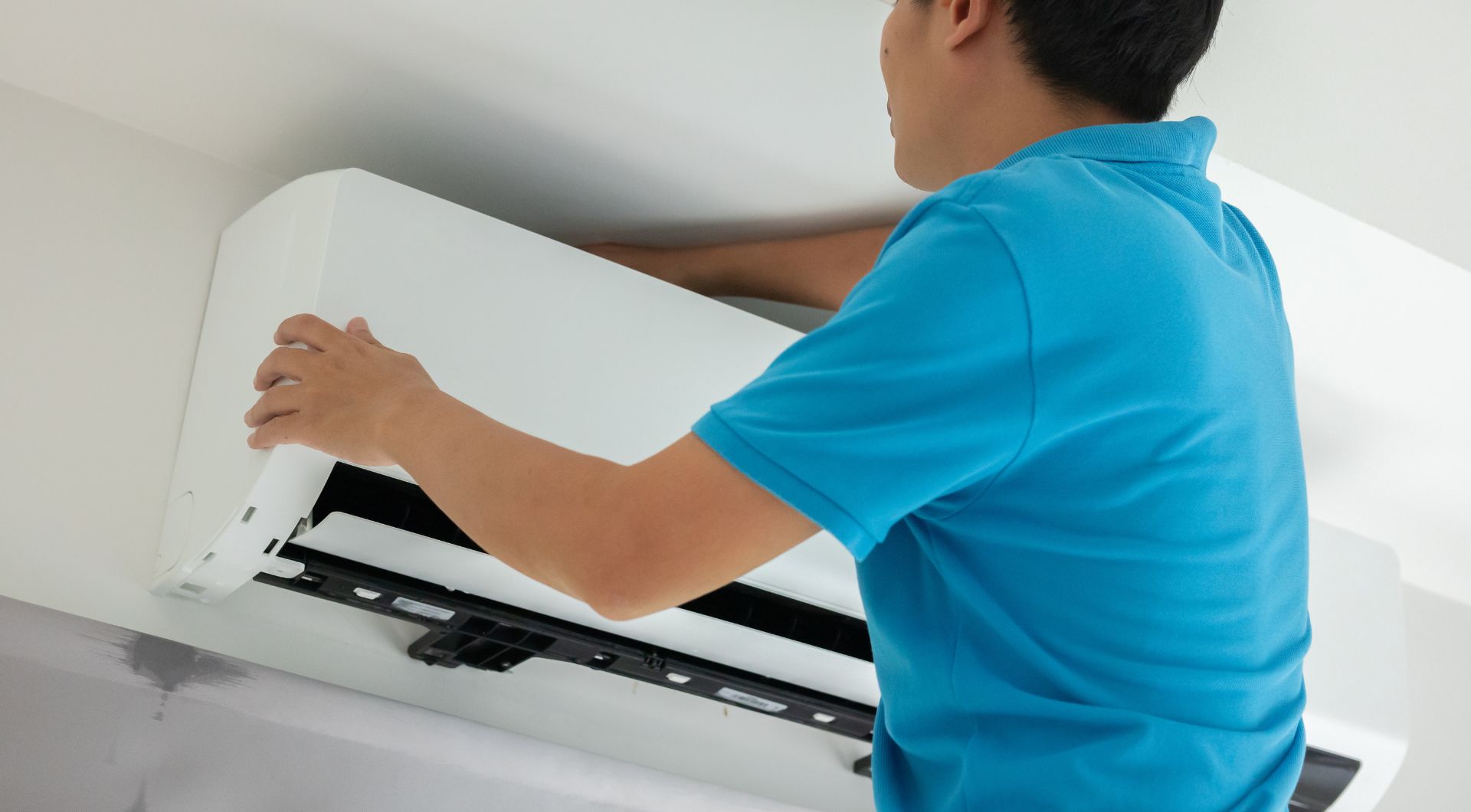
Some homeowners don’t prioritize air filter maintenance in the summer, which can be a problem during a heat wave. Cleaning your air filters throughout the summer is critical during heavy AC use. Dirty air filters restrict airflow, meaning less air moves through the system, and make your system run longer and work harder.
Ignoring proper maintenance can reduce efficiency, increase energy use, and accelerate wear on your HVAC system’s components. Check your unit’s filters regularly during the summer and replace them as needed, usually every 1-3 months.
#9: Humidity Only Affects Outside Temperature
Have you ever walked outside, taken a breath, and felt like you were breathing through a wet rag? That’s what high humidity can feel like. However, many people don’t realize it plays a major role in how hot your home’s interior feels.
When humidity is high, it can slow how quickly sweat evaporates from your skin, making your body feel warmer than the actual temperature of your space. This is why a 75°F day can feel like it’s 98°F.
During a heatwave, homes can often feel sticky, heavy, and uncomfortable, even when your thermostat shows a reasonable temperature. Your air conditioner removes moisture from the air as it cools, making the air feel cooler at the same temperature and improving your comfort level. By lowering the humidity in your house, you can feel more comfortable at slightly higher thermostat settings and reduce your overall energy use.
#10: Airflow Does Not Impact Cooling Efficiency
This myth is simply untrue; proper airflow is crucial because it helps your air conditioner cool evenly and efficiently. AC systems rely on consistent air circulation; without it, cool air can’t reach every nook and cranny, plus the system can’t distribute cooling evenly.
Common airflow issues include:
- Blocked vents/registers covered by furniture, curtains, or rugs.
- Closed vents are disrupting the system’s balance and pressure.
- Clutter around return vents is limiting the air being pulled back into the system.
Homeowners should ensure their vents are open and unobstructed to maintain proper airflow throughout the house.
Keeping your home cool and comfortable during an extreme heatwave isn’t simply the AC unit’s job; it takes a whole-home approach from maintaining proper airflow and covering windows to using fans and avoiding the use of appliances.
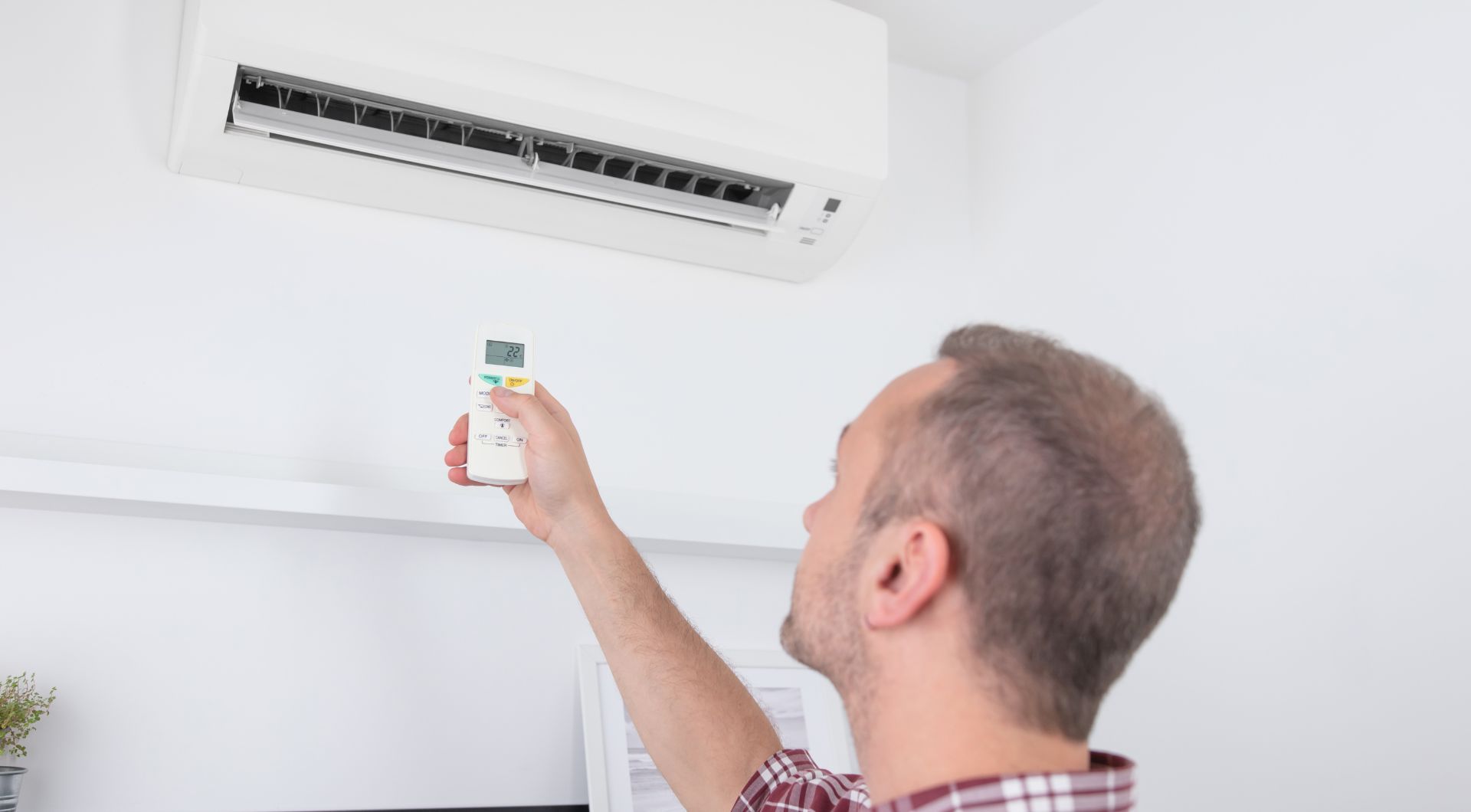
Preparing Your AC System Before the Next Heat Wave
Preparing your cooling system before the next spike in temperature is essential for:
- Preventing breakdowns
- Improving efficiency
- Handling the extreme heat more reliably
Here are a few steps you can take to prepare ahead of time:
- Schedule a professional HVAC inspection to identify potential issues before they become major problems.
- Clean or replace air filters to ensure your system’s running efficiently, with proper airflow.
- Inspect thermostat settings, confirm your system is working correctly, and set it for best efficiency.
- Check and clear vents/registers, ensuring nothing is blocking them or preventing proper airflow.
- Clean around the outdoor unit by removing debris, leaves, or obstructions.
- Test your system before peak heat hits by running the AC to make sure it’s cooling properly.
The best way to prepare your HVAC system for any sudden summer heat waves is to keep it professionally maintained. The technicians at AAA Heating and Cooling will help you extend your equipment’s lifespan, advise you on the right AC setting for a heat wave, catch issues early before they become big problems, and improve your system’s overall performance.
Get Your AC Ready for the Next Heat Wave With AAA Heating & Cooling
Waiting until your air conditioning unit breaks down can lead to longer service wait times, higher repair costs, and a miserable experience for you and your family.
Contact AAA Heating and Cooling today, and we can get your system ready to handle the heat before the next temperature spike happens.